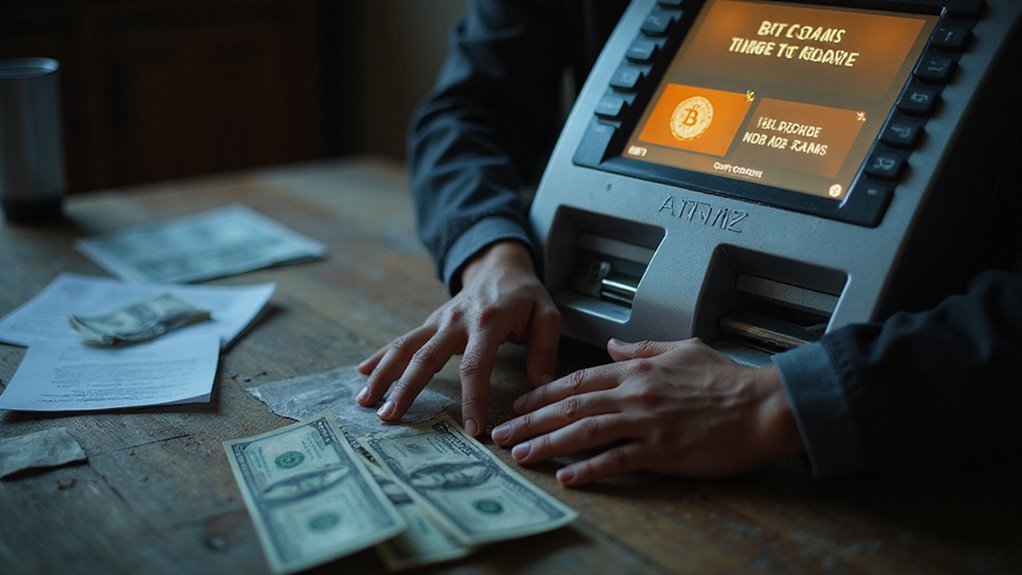

Authorities have seized large amounts of cryptocurrency linked to various scams and breaches. The seizures include funds connected to notable incidents like the LastPass breaches and other global crypto scams. These actions are part of a broader effort to recover stolen assets through civil asset forfeiture, a legal process that allows authorities to reclaim money obtained through illegal activities. In this context, understanding the importance of crypto wallets becomes crucial for securing assets against theft.
Authorities have seized significant cryptocurrency linked to scams, including funds from the LastPass breaches, to recover stolen assets.
In 2024, over $2.2 billion was reported stolen in crypto-related hacks, showing a 17% rise in such crimes. The largest theft occurred in February 2025 during the Bybit hack, where approximately $1.46 billion was stolen. While the overall volume of illicit crypto transactions dropped by 24% to about $45 billion, certain entities continued to exploit the system, using cryptocurrency to bypass financial restrictions.
Ransomware incidents have also surged, with over 5,635 cases reported in 2024. Criminal groups, including those from North Korea, have been particularly active, stealing nearly $800 million in crypto. The sophistication of their methods has raised alarm among law enforcement. Recently, U.S. authorities seized over $23 million in cryptocurrency linked to a theft from a Ripple crypto wallet, underscoring the ongoing challenges in combating such crimes.
The U.S. Secret Service and the Department of Justice play vital roles in recovering stolen assets. They utilize blockchain analysis to track and seize funds. Authorities often collaborate with crypto exchanges to freeze and return stolen assets to victims. Victims are encouraged to claim their share of the recovered funds. This process aims to compensate those who lost money to scams. In a recent case, the DOJ recovered $7 million from a global cryptocurrency scam that targeted unsuspecting investors, demonstrating their commitment to protecting the public.
Recent scams have employed fake platforms and shell companies, using social engineering to trick investors. Scammers often transfer stolen funds through complex transaction networks, making it harder to trace.
As cybersecurity threats continue to evolve, the need for stronger security measures remains essential. Authorities urge everyone to verify the legitimacy of platforms before investing in cryptocurrency to avoid falling victim to these scams.