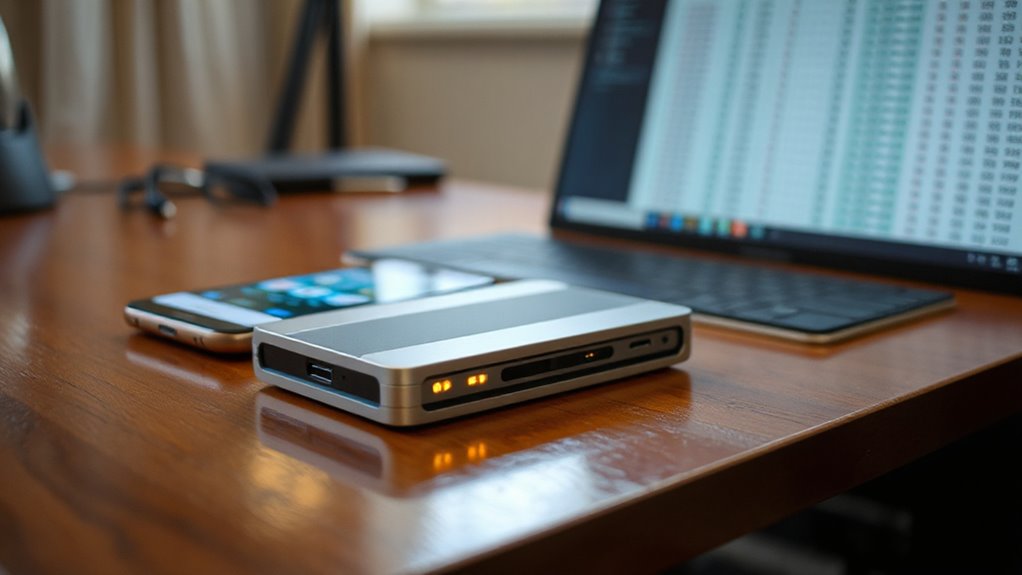
Mining in cryptocurrency is the process where powerful computers solve complex problems to validate transactions on the blockchain. This process guarantees that transactions are legitimate and secure. Miners use specialized hardware to perform these tasks and earn rewards for their efforts. They receive new coins and transaction fees for adding blocks to the blockchain. However, mining comes with challenges like high energy use and competition among miners. More details reveal the intricacies of this growing industry.
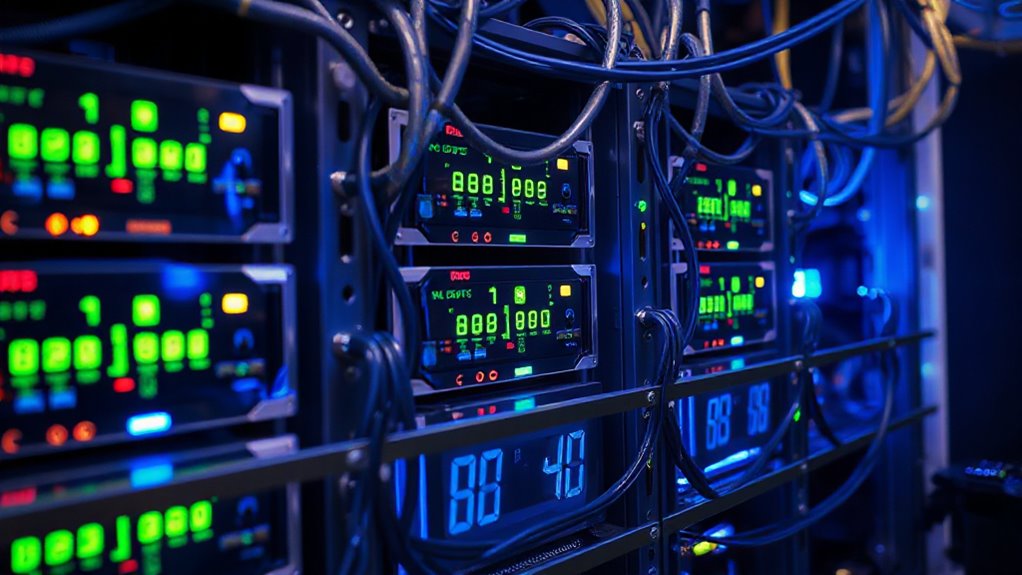
Mining in cryptocurrency involves powerful computers solving complex problems to confirm transactions. This process, known as crypto mining, is crucial for validating transactions in the digital currency world. Miners use cryptographic hash functions to solve puzzles related to each block on the blockchain. For Bitcoin, this method relies on a consensus mechanism called proof-of-work (PoW).
Crypto mining utilizes powerful computers to solve complex problems, validating transactions in the decentralized digital currency landscape through proof-of-work.
The mining process is energy-intensive and requires substantial computational power. Miners play a significant role in maintaining the integrity of transactions. They work within a decentralized network, which means there’s no central authority controlling the transactions. Instead, multiple computers across the network validate and record these transactions. This distributed approach creates a trustless environment where miners guarantee that all transactions are legitimate and secure. Additionally, mining difficulty adjusts approximately every two weeks based on the network’s hash rate, affecting how easily miners can generate valid hashes. This decentralized system allows anyone with a computer to join the mining process, contributing to the network’s security and functionality. Furthermore, some miners may opt for cloud mining services to reduce costs and avoid the complexities of hardware management.
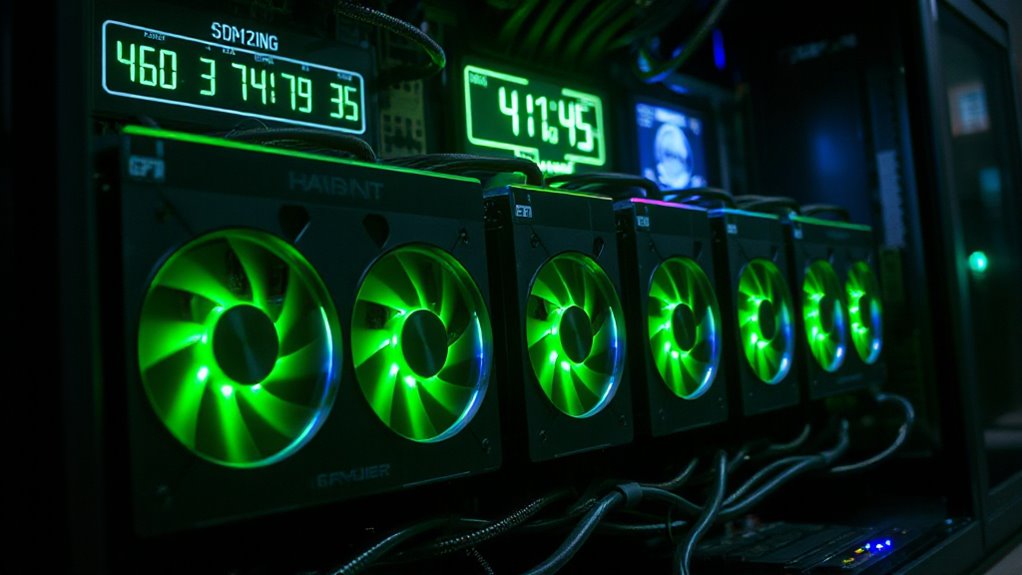
To mine effectively, miners use specialized hardware, such as ASICs and GPUs, optimized for performance. The SHA256 hashing algorithm is the primary method used in Bitcoin to encrypt block data. Each block that miners create contains a set of transactions that must be verified before being added to the blockchain. This system enhances network security and makes it difficult to manipulate previous transactions.
Miners are incentivized to participate in this process through block rewards and transaction fees. When a miner successfully adds a new block to the blockchain, they receive new coins as a reward. Additionally, miners earn fees for validating transactions. It’s crucial to recognize that the reward for mining new blocks is halved every four years in Bitcoin, which can influence mining incentives.
Despite the rewards, mining faces several challenges. The high energy consumption raises concerns about sustainability and environmental impact. Furthermore, the need for significant computational power can make it tough for individual miners to compete with larger operations. Regulatory risks and technological advancements also add complexity to the mining landscape.
Frequently Asked Questions
Can Anyone Start Mining Cryptocurrency?
Anyone can start mining cryptocurrency, but there are some significant factors to take into account.
Miners need strong computer hardware, like GPUs or ASICs, and special software to begin. A good understanding of blockchain technology is also helpful.
It’s essential to have a reliable internet connection and be aware of electricity costs, which can be high.
Additionally, mining can be competitive, and the rewards may depend on various factors like market conditions and mining difficulty.
What Hardware Do I Need for Mining?
To mine cryptocurrency, specific hardware is needed. Miners typically use specialized devices like GPUs or ASICs for better performance.
A good internet connection is essential for communication. Cooling systems help keep the hardware from overheating. A strong power supply is required to support energy use.
Additionally, an operating system and mining software are necessary for the mining process to run smoothly. Proper setup and equipment choice can impact efficiency and profitability.
Is Mining Profitable for Beginners?
Mining can be challenging and often unprofitable for beginners. High electricity costs and expensive equipment can make it hard to earn money.
Many new miners face tough competition from larger operations. Market prices for cryptocurrencies can change quickly, affecting profits.
Joining mining pools can help, but rewards are shared among members. Overall, the initial investment and ongoing expenses can make it difficult for individuals to succeed in the mining world.
How Long Does It Take to Mine a Coin?
Mining a coin can take varying amounts of time. While blocks are mined roughly every 10 minutes, it doesn’t mean miners get one coin in that time.
The difficulty of mining changes, impacting how quickly blocks are added. Solo miners, especially those with less powerful equipment, might take years to mine just one coin.
Joining mining pools can improve chances, but many factors, like competition and hardware, play a big role in timing.
What Are Mining Pools and How Do They Work?
Mining pools are groups of miners who join forces to increase their chances of solving complex puzzles and earning rewards.
By combining their computing power, they can work together to verify transactions on the blockchain. Each member earns rewards based on their contributions, which helps smaller miners compete with larger operations.
While mining pools offer steady income, they also come with fees and risks like centralization and dependence on the pool’s performance.