Bitcoin mining is mostly legal in 2023. Most countries allow the practice, with some exceptions. Nations like China, Algeria, and Kuwait have banned it entirely. The legal landscape varies, as some countries treat Bitcoin as an asset and impose regulations. Miners must also consider local laws and tax obligations. Overall, many regions support mining, while some have strict rules against it. To understand the details of these regulations, further exploration is encouraged.
Is Bitcoin mining legal in 2023? The answer is mostly yes. In most countries around the world, Bitcoin mining is legal. However, the rules can be different from one place to another. For example, China banned Bitcoin mining in 2021. Other countries, like Algeria and Kuwait, have also made it illegal. In general, many countries treat Bitcoin as an asset instead of a currency, which affects how it’s regulated.
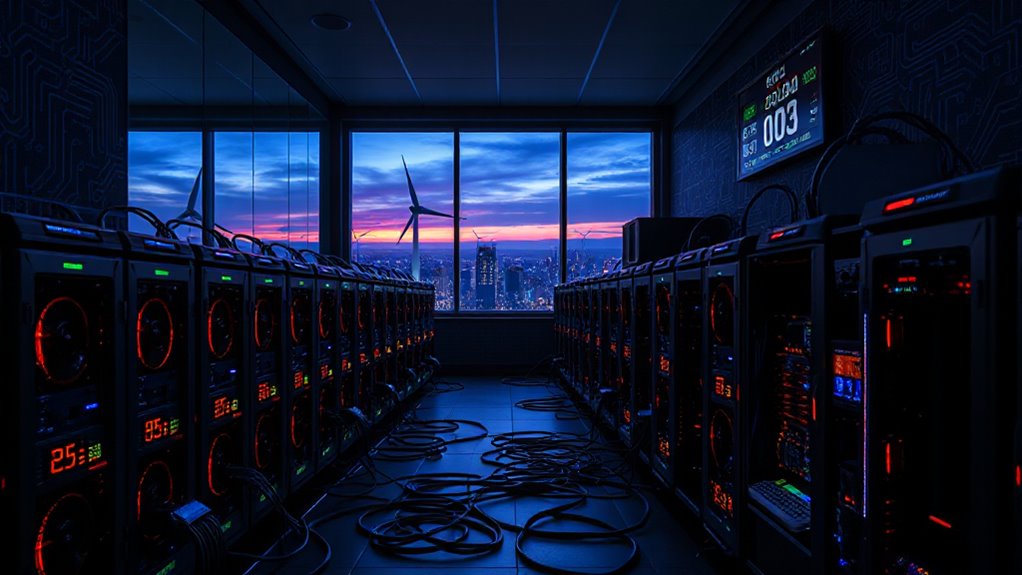
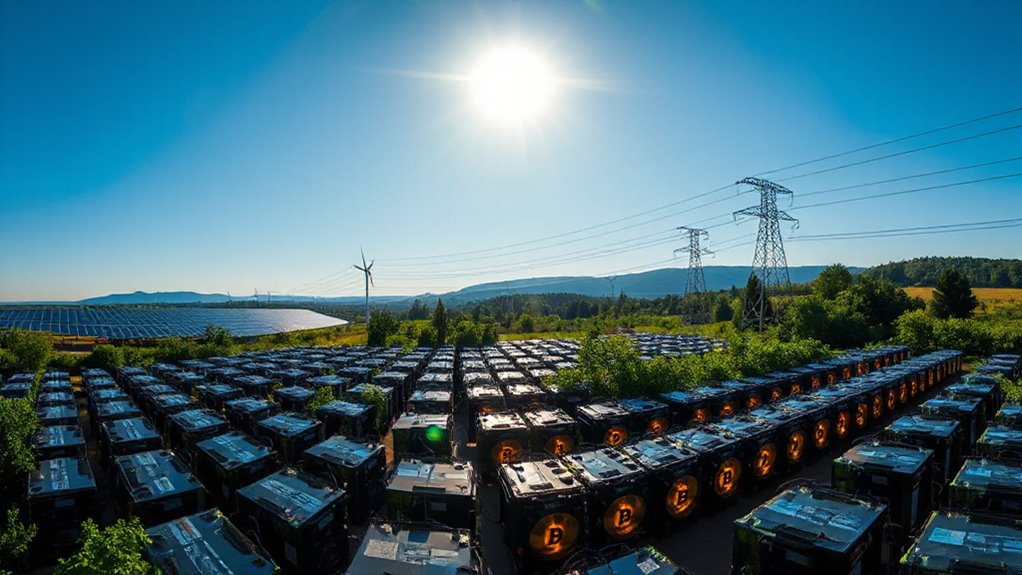
One major issue with Bitcoin mining is its environmental impact. Mining needs a lot of electricity, which can lead to concerns about energy use and climate change. The process often relies on fossil fuels, increasing greenhouse gas emissions. Because of this, some miners are now looking for ways to use renewable energy sources to reduce their impact. This shift is vital as high energy demands can also affect local power grids, sometimes causing blackouts. In response to the growing energy and carbon footprint of Bitcoin mining, some countries are creating rules to promote more sustainable mining practices. Additionally, regions with surplus energy resources may benefit from legalized mining as they attract miners seeking cheaper power. To mitigate risks, miners should also implement strong wallet security measures to protect their assets.
The environmental impact of Bitcoin mining raises serious concerns, prompting a shift towards renewable energy solutions.
In the United States, Bitcoin mining is generally legal, but regulations can vary from state to state, especially concerning environmental effects. The European Union has introduced laws to oversee crypto-assets, including Bitcoin mining. Similarly, Canada allows mining but has specific financial regulations that miners must follow. Additionally, miners have to pay taxes on the cryptocurrencies they earn.
Regional differences also exist. Countries in Asia, like Japan and South Korea, permit mining, while China has completely banned it. In Africa, many nations don’t have clear laws about Bitcoin mining. South American countries, including Brazil, show mixed opinions on the legality of mining.
Frequently Asked Questions
What Are the Environmental Impacts of Bitcoin Mining?
Bitcoin mining has significant environmental impacts. It uses a lot of energy, mainly from fossil fuels, leading to around 86 megatons of carbon emissions each year. This is comparable to the energy consumption of entire countries.
Mining also requires large areas of land and can use a lot of water, especially in regions with hydroelectric power. Switching to renewable energy sources could help lessen these harmful effects and improve sustainability.
How Does Bitcoin Mining Affect Electricity Prices?
Bitcoin mining can raise local electricity prices considerably.
In areas like Texas, residents saw a 4.7% increase in their bills. This happens because miners use a lot of electricity, especially during peak times.
Utilities often adjust pricing to manage the high demand. While miners might get cheaper rates, this can push up costs for households and small businesses, leading to higher overall bills for local consumers.
Can I Mine Bitcoin on My Personal Computer?
Many people wonder if they can mine Bitcoin on their personal computers. Generally, it’s legal to mine Bitcoin at home, as long as local laws are followed.
However, using a regular computer may not be effective. Bitcoin mining needs special hardware to be competitive. Costs for electricity can also add up, making it less profitable.
What Hardware Is Best for Bitcoin Mining in 2023?
In 2023, the best hardware for Bitcoin mining includes the Bitmain Antminer S19 XP Hyd and MicroBT WhatsMiner.
These machines offer high hash rates, which boost mining efficiency. Energy efficiency is vital too, as it reduces costs.
Miners often prefer ASIC miners because they’re specifically designed for this task. Regular software updates help keep the hardware running smoothly.
Are There Tax Implications for Bitcoin Miners?
Bitcoin miners face tax implications on their earnings. When they receive mining rewards, it counts as taxable income based on Bitcoin’s fair market value at that time. They must report this income on their tax returns.
If mining is a business, it goes on Schedule C; if it’s a hobby, it’s reported differently. Additionally, selling mined Bitcoin can trigger capital gains taxes.
Keeping accurate records is important for complying with tax laws.