To get a Bitcoin wallet, a user must first choose a trusted service provider. They can then download the wallet app from official sources like the App Store or Google Play. After downloading, users follow prompts to set up their wallet. It’s important to back up the wallet with a secret recovery phrase and set a strong password. There are different types of wallets, and more details on them are available for those interested.
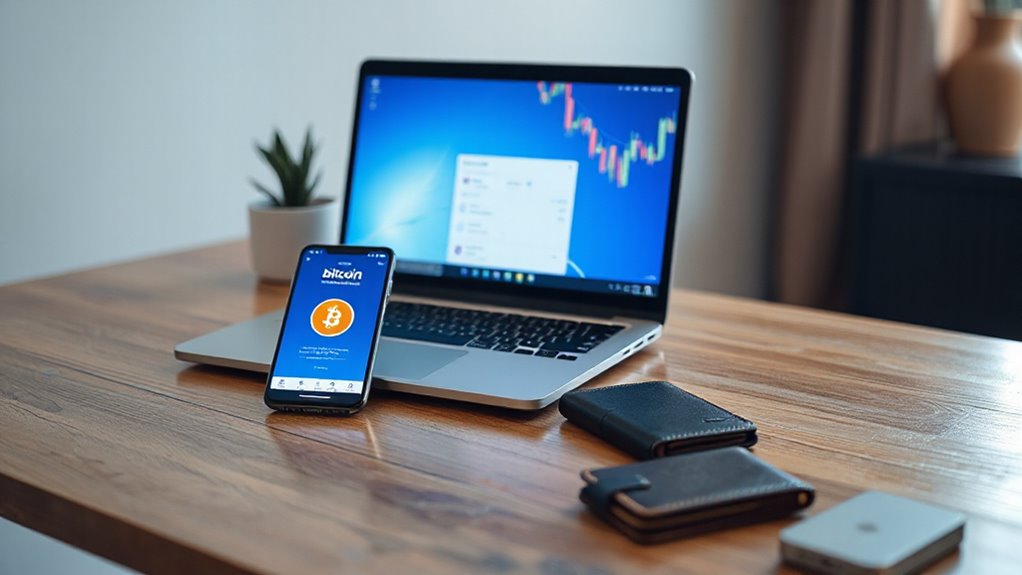
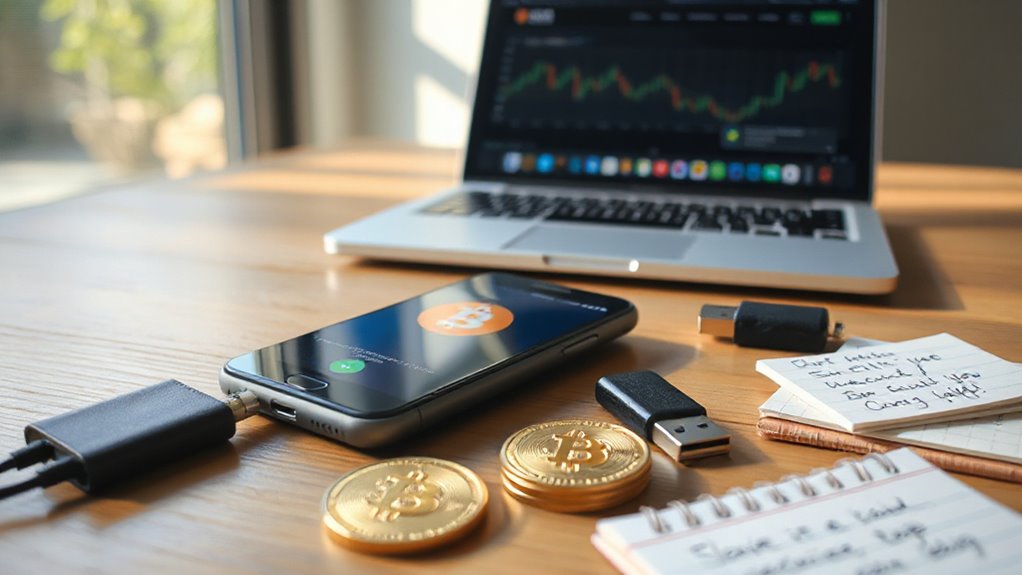
Many people are curious about how to get a Bitcoin wallet. A software Bitcoin wallet is one option available for users. These wallets, also known as hot wallets, are connected to the internet, which can make them vulnerable to hacking. Popular examples include Electrum, Xverse, and Coinbase Wallet. Users can install these applications on desktops or mobile devices, including iOS and Android. Many software wallets offer security features like two-factor authentication and multi-signature support, making them more secure. A good Bitcoin wallet acts as a bank account for cryptocurrency, allowing you to manage your assets securely.
To create a Bitcoin wallet, the first step is to choose a reliable service provider. It’s important to download the wallet app from official sources, like the App Store or Google Play, to guarantee safety. After downloading, users follow in-app prompts to set up their wallets. Hot wallets can be convenient for everyday transactions due to their accessibility and are often favored for their ease of use compared to cold wallets.
Choosing a reliable service provider and downloading from official sources is crucial for safely creating your Bitcoin wallet.
It’s essential to back up the wallet using a secret recovery phrase. Setting a strong password or PIN is also necessary for protection. There are different types of Bitcoin wallets. Hot wallets are convenient but less secure than cold wallets. Cold wallets, like Ledger and Trezor, store private keys offline, which reduces hacking risks. Paper wallets are another option, where keys are printed out.
Users can also choose between custodial wallets, which store keys for them, and noncustodial wallets, which require users to manage their own keys. Security measures are important for Bitcoin wallets. Features like two-factor authentication and multi-signature support enhance security. Private key management is also critical for protecting assets.
Users should regularly update their software and hardware. Backing up the wallet and using strong passwords can further increase security.
Frequently Asked Questions
What Are the Different Types of Bitcoin Wallets Available?
There are several types of Bitcoin wallets available. Custodial wallets are managed by third parties, making them easy to use but requiring trust in the provider.
Non-custodial wallets give users control over their private keys, enhancing security. Wallets can also be hot, connected to the internet for quick access, or cold, offline for safer long-term storage.
Examples include software wallets, hardware wallets, paper wallets, web wallets, and brain wallets, each serving different needs.
Is It Safe to Store Bitcoin on an Exchange?
Storing Bitcoin on an exchange carries risks. Exchanges can be hacked, leading to significant losses. Centralized exchanges are vulnerable, acting as single points of failure.
Funds in hot wallets are especially at risk due to their online nature. Historical events, like the Mt. Gox incident, highlight these dangers.
Additionally, exchanges face regulatory challenges that might affect user security. Consequently, many experts suggest considering alternative storage methods for better protection.
How Can I Recover a Lost Bitcoin Wallet?
Recovering a lost Bitcoin wallet can be challenging. Users often rely on their seed phrases to restore access.
If the seed phrase is unavailable, data recovery tools may help retrieve deleted wallet files. For hardware wallets, specialized tools might be needed.
Wallet providers can offer support, but it’s not guaranteed. Professional recovery services are an option, though they can be costly.
Education on secure storage and backup practices is essential to prevent future losses.
Are Bitcoin Wallets Anonymous?
Bitcoin wallets can offer varying degrees of anonymity.
Some wallets, like Wasabi, use techniques such as CoinJoin to mix transactions, making it harder to trace them. Many wallets don’t require users to share personal information, which enhances privacy.
However, it’s crucial to recognize that no wallet is completely anonymous. Advanced analysis can still reveal transaction origins, even with privacy features in place.
Users should be aware of these limitations when seeking anonymity.
Can I Have Multiple Bitcoin Wallets?
Yes, a person can have multiple Bitcoin wallets. This can help them manage their funds better.
For example, they might keep different wallets for spending and saving. Using multiple wallets can also enhance security by spreading out funds.
However, it can be complex, as each wallet has its own security measures and seed phrases to remember. It’s important to keep track of all wallet addresses to avoid losing access to any funds.