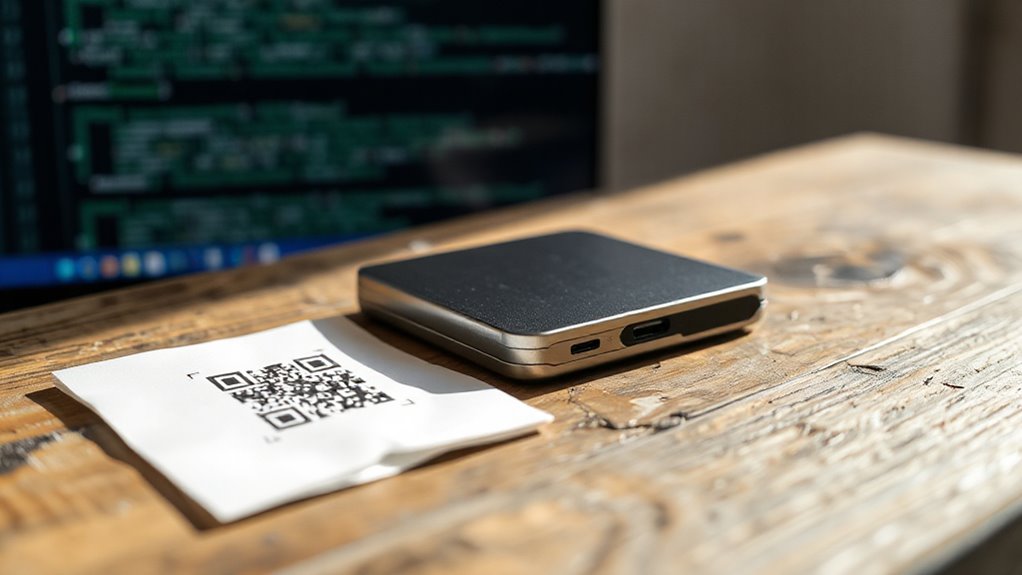

A cold wallet is a safe way to store cryptocurrencies offline. It helps protect digital assets from hacking and online threats. The private keys used for accessing the assets are kept offline, making it hard for unauthorized users to gain access. There are different types of cold wallets, including hardware wallets and paper wallets. While they offer strong security, using them can be a bit complex and less convenient. More details about their features and types follow.

Cold Wallet
As digital currencies become more popular, many people are looking for ways to keep their assets safe. One option is a cold wallet, which is a secure method of storing cryptocurrencies offline. This reduces the risk of unauthorized access by hackers, as cold wallets do not connect to the internet. They primarily store private keys offline, usually on physical devices like hardware wallets or even paper. Cold wallets are considered a vital component of crypto wallet security strategies.
Cold wallets work by keeping digital assets away from online threats. Since they operate without an internet connection, they are immune to hacking attempts and malware attacks. To enhance security, cold wallets often use advanced access controls, such as PIN codes, recovery phrases, and even biometric verification. This makes it harder for unauthorized users to access the stored cryptocurrencies. Moreover, cold storage minimizes the risk of private key theft by keeping them offline and reducing exposure to cyber threats. Additionally, cold wallets protect digital crypto assets from online hackers, making them a preferred choice for security-focused users.
Cold wallets safeguard digital assets by keeping them offline, making them immune to hacking and enhanced with advanced security features.
There are different types of cold wallets available. Hardware wallets are the most common. These small devices often resemble USB drives and securely store keys offline. Another option is paper wallets, which involve printing keys on paper, often in the form of barcodes or QR codes. Innovative designs like Tangem wallets also offer unique solutions for offline key storage. Well-known models like Keystone and Trezor are popular for their strong security features.
Using a cold wallet involves several steps. Initially, users must generate and securely store their private keys, often using air-gapped devices. They also need to plan for recovery in case of loss or damage. When making transactions, the user retrieves keys offline, signs the transaction, and then broadcasts it online.
However, cold wallets come with some limitations. They can be less convenient for regular transactions, as retrieving keys takes extra effort. They are also physically vulnerable to damage or loss. Setting up and using a cold wallet can be complex, especially for beginners. Despite these challenges, cold wallets remain a popular choice for those wanting to protect their digital assets.
Frequently Asked Questions
How Do I Set up a Cold Wallet?
Setting up a cold wallet involves several key steps.
First, users need to choose a type of cold wallet, such as a hardware or paper wallet.
Next, private keys must be generated in an offline environment to guarantee security.
It’s important to create a seed phrase for recovery and store it safely.
Users should also make multiple backups and keep them in different locations.
Finally, they must protect the wallet from physical damage and plan for recovery.
Can I Use a Cold Wallet for Multiple Cryptocurrencies?
Yes, a cold wallet can store multiple cryptocurrencies. Many cold wallets support various assets, including popular ones like Bitcoin and Ethereum.
They keep private keys offline, which enhances security against hacks. Users have control over their private keys and can manage a diverse portfolio.
However, not all cold wallets support every cryptocurrency, so checking compatibility is important. Cold wallets are designed for secure, long-term storage of digital assets.
What Happens if I Lose My Cold Wallet?
If someone loses their cold wallet, they may lose access to their cryptocurrency permanently. This happens because cryptocurrencies require a specific recovery phrase to retrieve funds. If that phrase is also lost, recovery isn’t possible.
Additionally, cold wallets can be damaged or stolen, further complicating access. Users often need to rely on secure storage practices and create multiple backups to prevent such losses and protect their digital assets.
Are Cold Wallets Safe From Hacking?
Cold wallets are considered safe from hacking because they store private keys offline. This means they aren’t connected to the internet, making them less vulnerable to online attacks.
Many cold wallets use special hardware to protect against tampering. They also have security features like PIN codes and passphrases.
However, while they are secure from hacking, users must still be careful not to lose their wallets or recovery phrases.
How Do I Transfer Funds From a Cold Wallet?
Transferring funds from a cold wallet involves several steps.
First, a user needs an internet-connected device. They send a transaction request to the cold wallet, which signs it offline.
Then, the signed transaction is sent back to the online device for broadcasting. It’s important to double-check the recipient’s address to avoid errors.
Cold wallets stay offline during this process, helping to keep the funds secure from hacking attempts.