
To keep cryptocurrency safe, users should understand different wallet types. Hot wallets are online but riskier, while cold storage options are more secure. Strong passwords and multi-factor authentication add protection. It’s essential to verify wallet addresses before transactions to avoid mistakes. Users should be aware of scams like phishing, which can compromise security. Regular updates and security audits help maintain safety. There’s much more to learn about effective practices for managing and securing cryptocurrency.
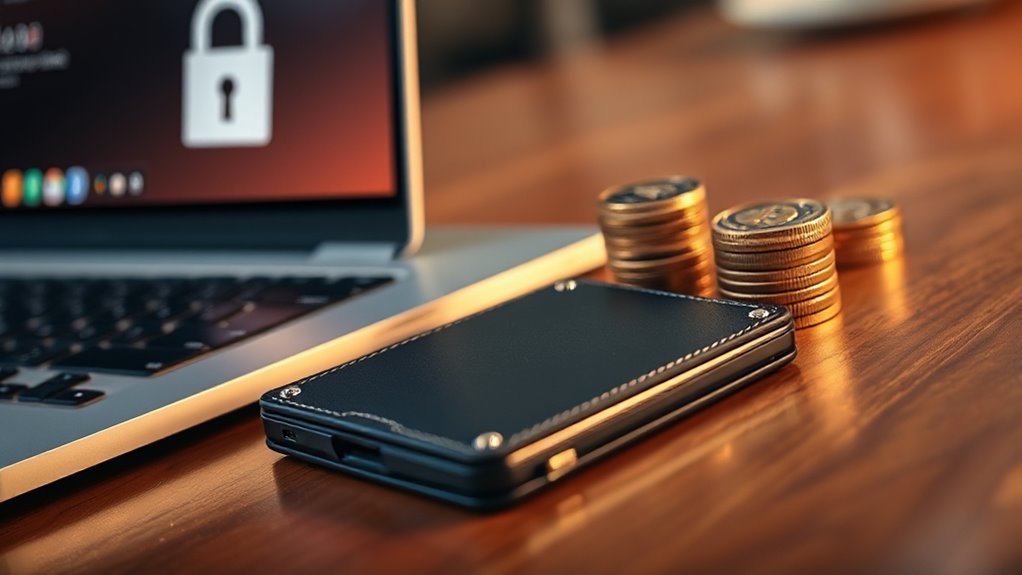
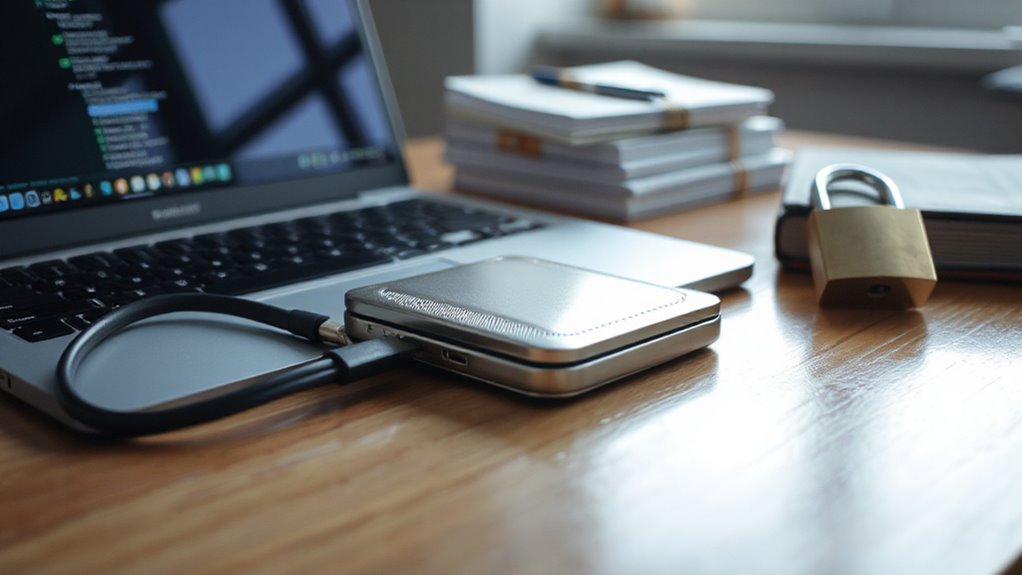
As cryptocurrencies gain popularity, keeping them safe has become a top concern for many users. Cryptocurrencies are stored in wallets, which can be categorized as hot or cold. Hot wallets are connected to the internet, making them more vulnerable to hacking. On the other hand, cold storage options, like hardware wallets, are considered more secure as they aren’t connected to the web. Another option is a paper wallet, which involves printing private keys on paper, but this method requires careful physical security. Implementing strong wallet security is essential to protect your assets.
As the popularity of cryptocurrencies rises, ensuring their safety through secure wallets becomes increasingly essential.
Many exchanges offer free hot wallets, but these come with risks due to the concentration of funds. Users are encouraged to keep regular backups of their wallets in secure locations for recovery purposes. Security measures for wallets include using strong passwords and multi-factor authentication (MFA) to prevent unauthorized access. Regular updates of wallet software are fundamental to apply security patches and protect against known vulnerabilities.
Encrypting private keys and seed phrases is essential for safeguarding sensitive information. Additionally, two-factor authentication (2FA) adds another layer of protection against hacking attempts. It’s important not to store hot wallet private keys online or on devices susceptible to malware. Heightened security measures are essential due to the rise in fraudulent activities, with genuine users at risk of losing investments. Mistakes in storage can lead to significant losses if proper precautions are not taken.
When sending cryptocurrency, users should always verify the recipient’s wallet address to avoid losing funds due to mistakes. Transaction signing and encryption help secure transactions from tampering. Relying on reputable exchanges and services is critical for safe transactions. Users should avoid sharing sensitive transaction details online or with unauthorized individuals.
Understanding how cryptocurrencies work and the risks involved is necessary for security. Education on common scams, like phishing, can help users prevent asset loss. Regular security audits and updates are important for maintaining a secure environment. Ultimately, knowing how to manage and store cryptocurrency securely is significant for everyone involved.
Frequently Asked Questions
What Are the Best Hardware Wallets for Beginners?
When it comes to choosing the best hardware wallets for beginners, several options stand out.
Ledger Stax features a large touchscreen and supports over 5,000 assets.
Tangem Wallet is ultra-portable and resembles a credit card.
Ledger Flex strikes a balance between security and usability, supporting over 5,550 assets.
Trezor Safe 3 offers strong security features, while NGRAVE ZERO includes biometric authentication.
Each wallet provides unique benefits for those new to cryptocurrency.
Can I Insure My Cryptocurrency Holdings?
Many people wonder if they can insure their cryptocurrency holdings. There are several options available.
Custodial insurance protects assets held by exchanges. Commercial crime insurance covers theft from hot wallets. Specie insurance protects valuable assets in cold storage. Specialized providers offer tailored solutions.
However, costs can be high due to market volatility. It is crucial to research providers and understand the terms, as coverage limits and risks can vary greatly.
What Should I Do if I Lose My Private Keys?
When someone loses their private keys, they face serious issues. Without these keys, accessing cryptocurrency funds becomes impossible.
Regular backups are essential to avoid this situation. If keys are lost, recovery options are limited. Wallet software support may help, but success isn’t guaranteed.
Some people may turn to professional recovery services, though these can be costly. It’s vital to store keys and backup phrases securely to prevent permanent loss.
How Often Should I Update My Wallet Software?
How often to update wallet software can vary. There isn’t a set schedule; updates depend on notifications from providers and the discovery of new problems.
Major releases from Bitcoin Core happen every six to seven months. Hardware wallets need updates when security issues are found or features improve.
Users should regularly check for updates. Staying current is important for security and compatibility with new cryptocurrency platforms and protocols.
Are There Risks With Using Cryptocurrency Exchanges?
Using cryptocurrency exchanges comes with several risks.
First, many exchanges lack proper regulation, which can lead to security issues. They often face hacking attempts, putting users’ funds at risk.
Additionally, the decentralized nature of cryptocurrencies makes it hard to hold anyone accountable if something goes wrong. Users also face the threat of fraud and volatile market prices, which can cause significant financial losses.
Understanding these risks is essential for anyone entering the cryptocurrency market.