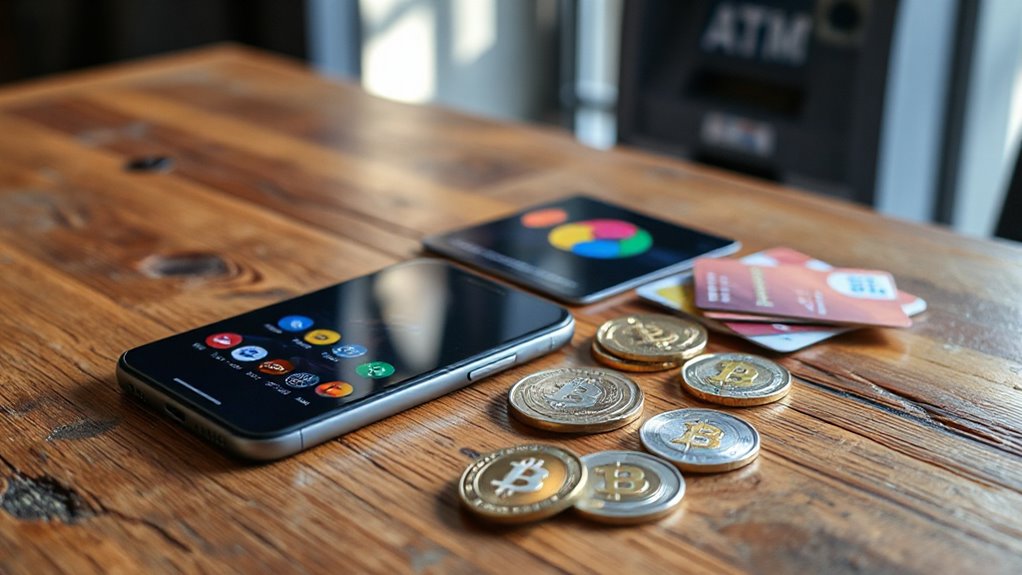

Cryptocurrency can be spent in several ways. Users can get crypto debit cards to shop like they would with cash. Some stores accept direct payments via wallet addresses or QR codes. People can buy gift cards for retailers that don’t accept crypto directly. Online shopping is growing with many sites now accepting cryptocurrencies. Additionally, peer-to-peer platforms and Bitcoin ATMs allow users to trade or convert crypto. There are more options available for spending cryptocurrency.
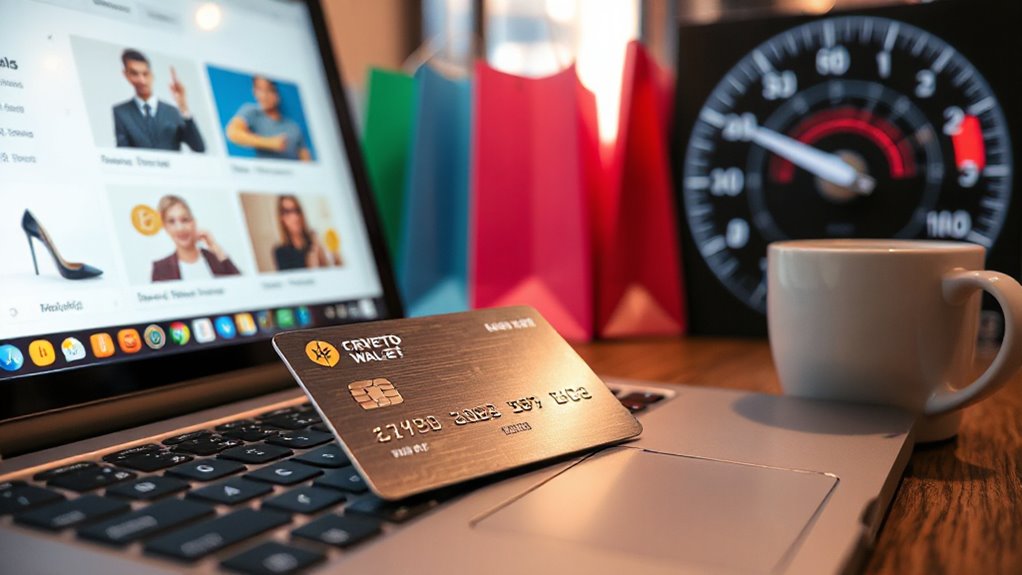
How can people spend their cryptocurrency in today’s digital world? One of the most convenient ways is through crypto debit cards. These cards allow users to spend their cryptocurrency like traditional money. Popular options like Bybit, Coinbase, and KuCoin convert crypto at the point of sale. Many of these cards also offer cashback on purchases, making them appealing. They provide secure transactions with PIN codes and encryption, but users should keep an eye on any fees linked to conversions and transactions. Analyzing the Coin’s Profile can help users choose which cryptocurrencies to spend based on their value and market stability.
Another option is making direct payments to merchants that accept cryptocurrency. Some stores allow customers to pay using wallet addresses or QR codes. Payments can be made with various cryptocurrencies, including Bitcoin and Ethereum. Although the process can be quick, users need to enter the recipient’s wallet address carefully to avoid mistakes. Transaction fees can also vary based on the cryptocurrency and network conditions. Cryptocurrency wallets are necessary to store cryptographic keys and manage assets, which enhances the security of these transactions.
Buying gift cards is another popular method for using cryptocurrency. This way, people can shop at retailers that don’t accept crypto directly. Platforms like Bitrefill and eGifter convert crypto into gift cards for many well-known stores. Gift cards provide flexibility but might come with fees or expiration dates. They’re usually delivered digitally, making them easy to use right away.
For online shopping, many retailers now accept cryptocurrency as payment. Categories like electronics, travel bookings, and subscriptions are becoming more common for crypto payments. Transactions are generally secure, thanks to wallets and payment gateways.
Peer-to-peer platforms also allow users to trade directly with one another. These platforms connect buyers and sellers but require trust to avoid scams. They often include escrow services to secure transactions.
Lastly, Bitcoin ATMs let users convert Bitcoin to cash or vice versa. Exchanges like Binance and Bybit help with trading and converting cryptocurrencies. As cryptocurrency becomes more popular, users have more choices than ever for spending their digital assets.
Frequently Asked Questions
What Types of Cryptocurrencies Can Be Spent?
There are several types of cryptocurrencies that can be spent. Payment cryptocurrencies like Litecoin, Bitcoin, and Dogecoin are often used for transactions.
Litecoin is designed for quicker payments, while Bitcoin is popular for global remittances. Dogecoin is frequently used for tipping.
Additionally, Binance Coin serves for discounted trades, and XRP is known for fast cross-border payments.
These cryptocurrencies enable users to make purchases or send money easily.
Are There Transaction Fees When Spending Cryptocurrency?
Yes, there are transaction fees when spending cryptocurrency. These fees help keep the blockchain secure and efficient. They can vary based on factors like network congestion and transaction complexity.
For example, sending Bitcoin may cost more than sending Litecoin. Additionally, exchanges may charge fees for trading or converting crypto to cash.
Users can also face extra costs for services like the Lightning Network, which aims to lower fees for smaller transactions.
Can I Receive Change in Fiat Currency?
The question of receiving change in fiat currency when using cryptocurrency is complex. Currently, most merchants don’t provide cash change for crypto transactions.
Exchanges typically handle conversions to fiat but don’t dispense cash directly. Regulatory challenges and technological limitations hinder the process. Users often need to convert their cryptocurrency through online platforms rather than receiving physical change.
As cryptocurrency grows, future advancements could improve this situation, but challenges remain.
How Do I Convert Cryptocurrency to Local Currency?
To convert cryptocurrency to local currency, users typically rely on several methods. Centralized exchanges, like Coinbase, simplify the process but charge fees.
Bitcoin ATMs offer quick cash access, while peer-to-peer platforms allow direct trades between individuals. Each method has its pros and cons, such as convenience versus security risks.
Users must often verify their identities to comply with regulations. Overall, these options provide various ways to access local currency from cryptocurrencies.
Are There Tax Implications When Spending Cryptocurrency?
When spending cryptocurrency, there are important tax implications. The IRS treats cryptocurrency as property. This means that using it can trigger a taxable event.
Capital gains are calculated based on the asset’s value at the time of the transaction. Short-term gains are taxed as ordinary income, while long-term gains have lower tax rates.
Keeping accurate records of transactions is essential for proper tax reporting and compliance with regulations.