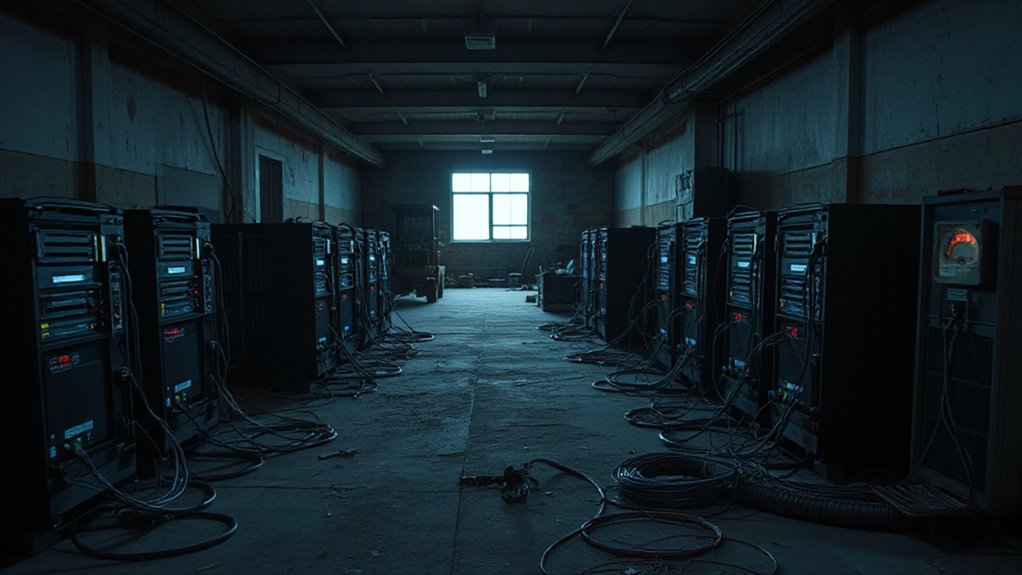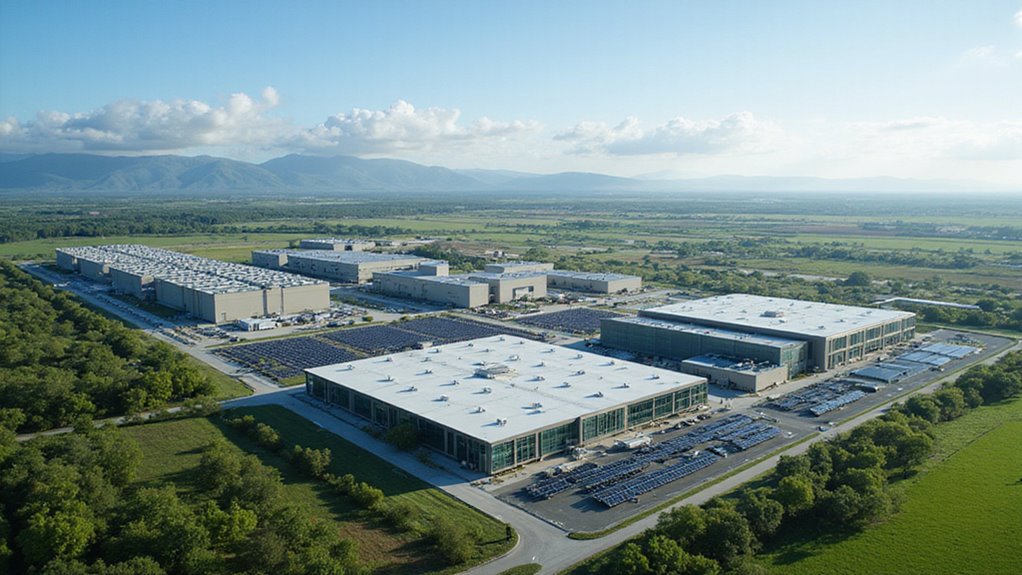

As technology advances, the idea of beaming Bitcoin’s blockchain from space is becoming more realistic. This concept relies on several significant factors. First, space-based Bitcoin mining is technically possible thanks to new cooling systems. These innovations help manage the extreme temperatures found in space.
Positioning satellites in sun-synchronous orbits can also help reduce delays in data transmission. This means that even though the information travels from space, it can reach Earth quickly. However, to make this idea a reality, lowering launch costs is vital. High costs are one of the biggest barriers to space mining.
Positioning satellites in sun-synchronous orbits can significantly enhance data transmission speed, but lowering launch costs remains a critical challenge.
The decentralized nature of blockchain technology could enhance security when deployed in space. With no single point of failure, it becomes harder for hackers to attack. Additionally, space offers an unlimited supply of solar energy. This renewable power source could fuel blockchain operations in a sustainable manner. Furthermore, the potential for secure inter-satellite communications could significantly improve the efficiency of data exchanges in a space-based blockchain network. Moreover, the use of Proof of Stake could further promote energy efficiency in these operations.
Blockchain technology itself operates as a decentralized database. It is known for its transparency and immutability. Algorithms like Proof of Work and Proof of Stake are used to validate transactions. These features make blockchain an attractive solution across various fields, from digital currencies to the Internet of Things (IoT).
Operating blockchain systems in space could dramatically reduce carbon emissions associated with energy consumption. This energy-efficient method might lead to a lower environmental impact. Besides, deploying blockchain in space may complicate cyber attacks, increasing security for users.
However, challenges remain. Launch costs are still high, and effective cooling systems must be developed to handle space conditions. There’s also a risk that high deployment costs could lead to the centralization of mining operations, which goes against the decentralized spirit of blockchain.
Ongoing technological advancements are essential to overcome these hurdles. If successful, space-based mining could open new doors for blockchain technology and its applications.