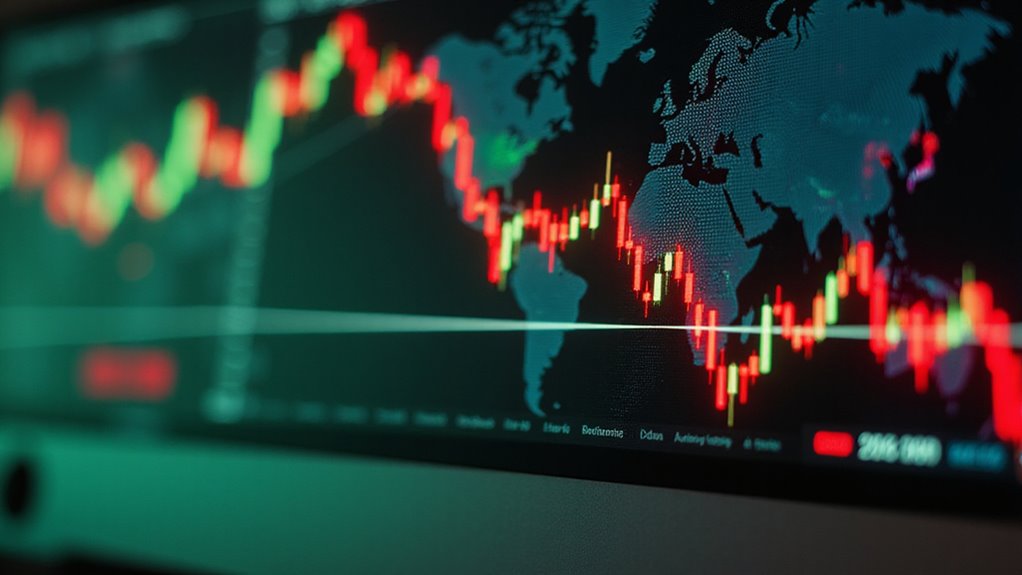

Bitcoin has dipped below $81,000, marking a notable shift in the cryptocurrency market. This decline is influenced by market volatility and concerns over tariffs imposed by US President Donald Trump. After experiencing some gains, Bitcoin has struggled to regain momentum, leading to its current drop in value.
The daily trading volume for the cryptocurrency has also decreased considerably, making it harder for Bitcoin to sustain price increases. Trump’s tariffs are creating instability in the market, affecting Bitcoin and other assets negatively. Investors are worried about the potential for broader and higher tariffs, which are shaking their confidence and impacting asset prices.
The uncertainty surrounding these geopolitical factors is a major reason for Bitcoin’s recent price fluctuations. Currently, Bitcoin is consolidating around the $81,000 to $89,000 range. This consolidation reflects ongoing market volatility and investor repositioning. Low trading volumes and decreased liquidity are contributing to this trend. Despite the consolidation, some analysts believe Bitcoin could bounce back due to strong buying support from long-term holders. Bull markets often follow periods of consolidation, suggesting potential upward movement.
Technical analysis shows a bearish trend for Bitcoin, as its price has dropped below the 200-day moving average and lost important trend lines. However, a hidden bullish divergence suggests the possibility of a rebound if the market conditions improve. Certain price gaps are critical for predicting future movements, and current indicators are displaying signs of a bearish crossover.
Investor sentiment, while cautious, remains optimistic. Some analysts expect Bitcoin’s price to surge in the coming months, as the market appears to be in an accumulation phase, indicating potential upward movement. Accumulation by long-term holders indicates a potential supply squeeze, which could push prices up.
Recent activity from large investors, known as whales, shows growing confidence in Bitcoin’s future. Although short-term holders are more careful, overall confidence in the market appears to be rising, driven by macroeconomic trends and policy shifts.