Recent tariffs announced by President Trump have had a noticeable impact on the cryptocurrency market.
When the tariffs were announced, the prices of cryptocurrencies like Bitcoin and XRP reacted quickly.
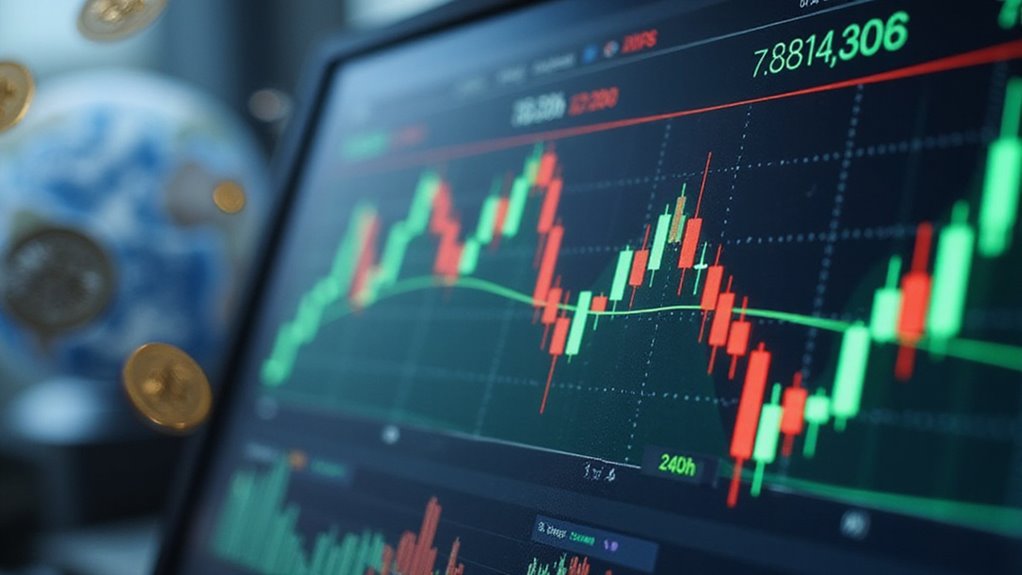
Bitcoin’s value saw sharp swings, dropping below $78,000 on some days.
This showed how sensitive Bitcoin is to big economic news.
The market also experienced increased volatility, which means prices moved up and down rapidly.
Cryptocurrency prices became highly volatile, with rapid swings reflecting heightened market uncertainty.
Investors became nervous and started selling riskier assets, including cryptocurrencies.
As a result, many moved their money into safer places like gold and U.S. Treasuries.
The fear spread quickly, and the overall investor mood shifted toward caution.
The tariffs also caused a lot of money to leave risky assets.
Many investors worried that trade tensions could lead to a recession, making riskier investments less attractive.
This led to a big decline in global stock markets, which in turn affected the crypto market.
The new tariffs targeted China and other major trading partners, especially raising the cost of Chinese goods.
These moves increased fears of a trade war, which many believe could hurt the global economy.
As uncertainty grew, investors began to see cryptocurrencies as a possible safe haven, especially Bitcoin.
Some analysts think Bitcoin could even gain long-term value if the dollar loses trust because of these economic worries.
XRP, another popular cryptocurrency, experienced a sharp decline after the tariff news.
It reached its lowest point in five months.
The drop was worsened by panic selling among retail investors who saw the market turning sour.
Prior to this, XRP’s price had been influenced by specific events like hopes for a Bitcoin ETF and regulatory news.
Despite the recent fall, some experts remain cautiously optimistic about XRP’s recovery.
They believe it could still rise by the end of the decade, even after the recent decline.
The market also showed signs of being overextended.
Futures trading saw many liquidations, and the fear and greed index shifted toward fear.
This indicated that traders were panicking and selling off their holdings.
During this period, the market’s mood was marked by uncertainty.
The regulatory environment in the U.S. is also seen as a key factor for future growth or decline. Additionally, high volatility can present both risks and opportunities that traders need to navigate carefully.