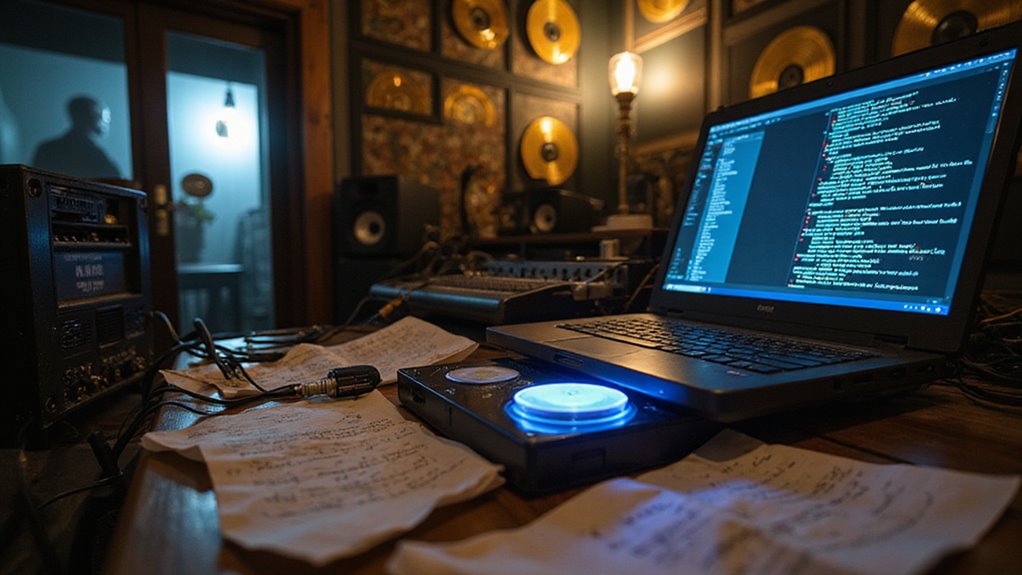

Joseph Strange, a former sound engineer for Eminem, faces serious charges for allegedly stealing and selling unreleased music tracks. Strange is accused of taking over 25 unreleased songs from Eminem’s studio in Ferndale, Michigan. The music was stored on password-protected hard drives. He reportedly transferred these tracks to external hard drives between late 2019 and early 2020. After stealing the music, he sold it online for approximately $50,000 in Bitcoin.
Strange is charged with copyright infringement and interstate transportation of stolen goods. If found guilty, he could face up to 15 years in prison and hefty fines. This case highlights the serious issue of intellectual property theft within the music industry. While Strange’s attorney questions the allegations, claiming they are untested, a conviction could set a strong precedent for protecting artists’ rights. Additionally, the FBI search of Strange’s residence revealed significant evidence linking him to the theft.
Strange’s charges highlight the growing concern of intellectual property theft in the music industry, with potential consequences for artists’ rights.
The investigation began when the FBI received a tip from employees at Eminem’s studio. They noticed unreleased music appearing online and raised concerns. Investigators found evidence indicating that Strange had transferred files during his employment. A search of Strange’s home uncovered handwritten lyrics, unreleased music, and a VHS tape. Authorities seized hard drives containing about 12,000 audio files.
Additionally, screenshots of chats revealed sales to buyers, including a Canadian resident known as “Doja Rat.” Some buyers raised funds collectively to purchase the unreleased tracks, despite warnings against distributing them. Eminem’s team has condemned the leaks, calling the music “unfinished and dated.” In light of these events, the importance of safeguarding intellectual property has come to the forefront, emphasizing the need to protect artists’ exclusive rights.
This incident serves as a warning to others in the industry who might consider profiting from artists’ work without permission. It underscores the importance of protecting intellectual property and the commitment of the music industry to safeguard the rights of creatives. As the case unfolds, it will be closely watched by fans and industry professionals alike.