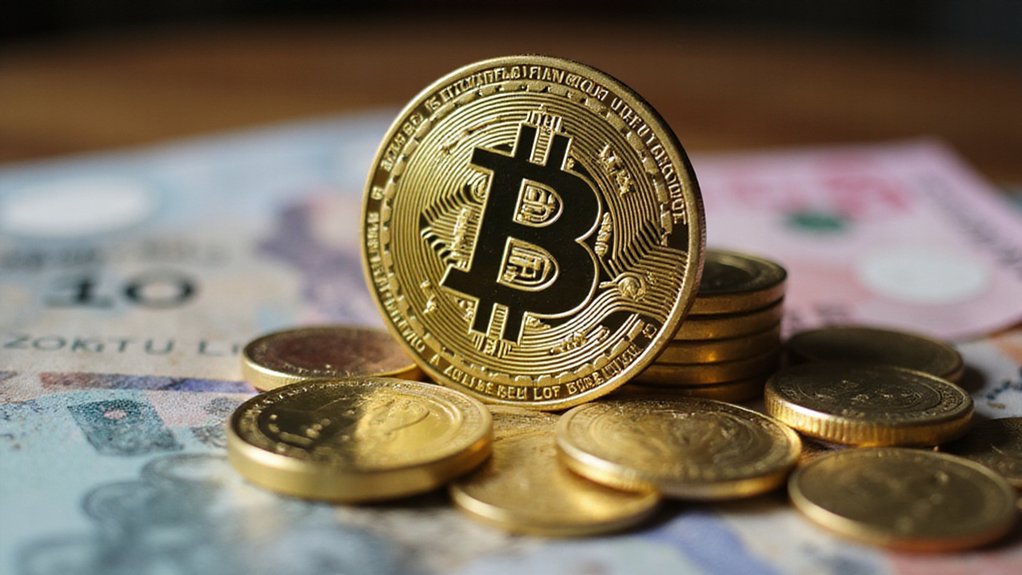

The International Monetary Fund (IMF) has made a significant shift by including Bitcoin and other cryptocurrencies in its latest Balance of Payments Manual. This new edition, known as BPM7, marks the first time the IMF has given clear guidelines for tracking digital assets in economic statistics.
The decision reflects the growing importance of cryptocurrencies in global finance. It aims to improve transparency in financial reporting and acknowledges the impact of digital assets on the economy. IMF’s new framework for classifying crypto assets offers countries a consistent monitoring framework to report crypto activities. As the popularity of cryptocurrencies increases, security measures for wallets will become increasingly vital to protect investors’ assets.
Bitcoin is categorized as a “non-produced nonfinancial asset,” similar to gold. It’s seen as a store of value and a way to make transactions. However, it is not classified as a financial instrument. This means that when Bitcoin transactions happen across borders, they are recorded mainly in the capital account.
Bitcoin is classified as a non-produced nonfinancial asset, akin to gold, emphasizing its role as a store of value.
While Bitcoin isn’t recognized as an official currency, its role in global economics is now acknowledged.
On the other hand, stablecoins are treated differently. They are backed by liabilities and considered financial instruments, much like bank deposits. This distinction is important because it changes how these assets are viewed regarding regulation and financial reporting.
Other digital assets, like tokens, might be seen as equity-like holdings, while non-fungible tokens are recognized for their unique traits.
The inclusion of these classifications helps countries track capital flows related to cryptocurrencies more effectively. It also highlights the need for regulations in the crypto space.
The IMF’s guidelines could lead to stricter rules for stablecoins and encourage countries to harmonize their crypto regulations. This might help create clearer taxation and anti-money laundering policies.