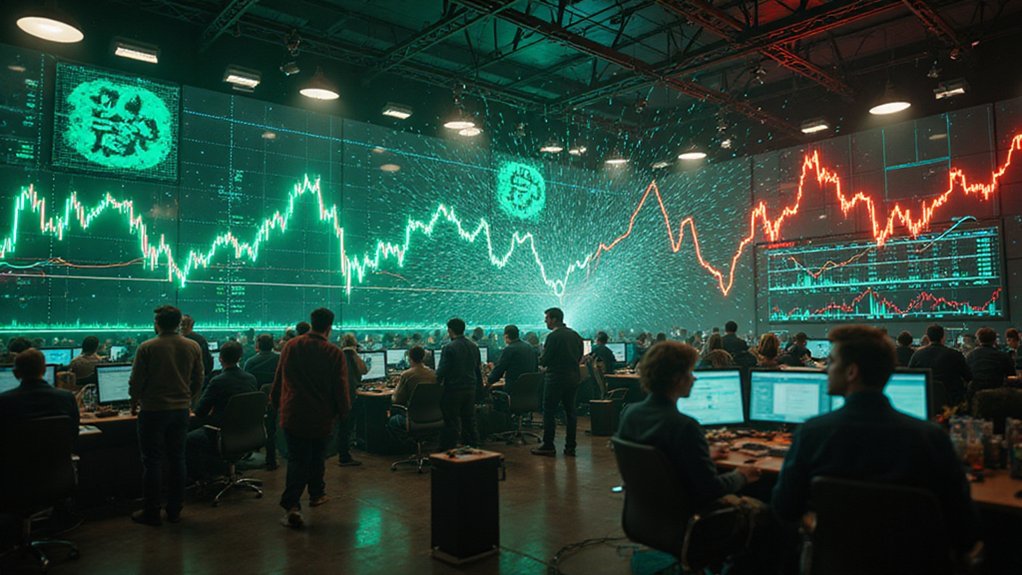

As the US government imposes a ban on Nvidia’s H20 AI chip exports to China, the tech industry is bracing for significant changes. This ban could lead to a staggering $5.5 billion revenue loss for Nvidia. The restrictions specifically target the H20 chips, which were designed to meet earlier export controls but still offer advanced AI capabilities to Chinese companies. Following the announcement, Nvidia’s stock dropped nearly 7%, causing a ripple effect across other tech and semiconductor shares.
The geopolitical context of this move is important. It escalates the ongoing tech trade war between the US and China, with both countries vying for dominance in AI and semiconductors. Nvidia now faces significant challenges in obtaining the export licenses needed for its chips. This uncertainty is likely to affect its operations and future growth. Additionally, analysts predict an 8% to 9% decline in Nvidia’s data center revenues over the next few quarters due to the export restrictions.
The ban intensifies the US-China tech trade war, complicating Nvidia’s path to secure crucial export licenses.
Investors reacted quickly to the news, and Nvidia’s stock prices fell sharply. Analysts have adjusted their revenue forecasts downward, reflecting a more cautious outlook. China makes up about 20-25% of Nvidia’s data center revenue. The restrictions could lead to an estimated decline of 8% to 9% in this segment over the coming quarters.
In light of these developments, Nvidia plans to take a $5.5 billion charge, showing a lack of optimism about getting the necessary export licenses. This loss is primarily attributed to a new Trump administration ban that affects Nvidia’s operations and market position.
The ban has also created volatility in global tech markets, impacting other chip and tech stocks. The competition in AI technology between the US and China adds another layer of complexity. Investors are now facing increased risks due to the uncertainty surrounding regulations and political tensions.
This situation highlights the growing importance of geopolitical factors in the tech industry. The export restrictions are part of the broader US-China trade tensions, emphasizing the challenges and shifts in the global tech landscape. China’s reliance on imported advanced chips makes the ban even more significant.