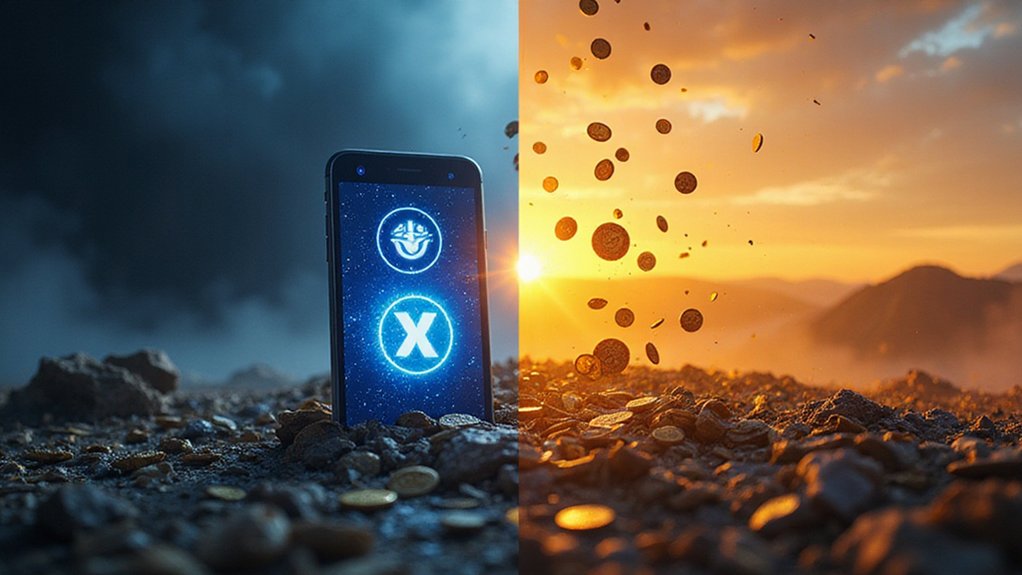

As the world of cryptocurrency continues to evolve, two projects, Pi Network and Bitcoin Solaris, are making headlines for their unique approaches to mobile mining. Pi Network began its beta phase in 2019 and officially launched its mainnet on February 20, 2025. The project aims to make mining accessible to everyone through a mobile app. Pi’s ecosystem includes various apps and tools that support merchant adoption. Its co-founder, Dr. Nicolas Kokkalis, is confident about the future of Pi Network. The project seeks to create a fair and inclusive digital currency system for users globally.
Currently, about 6.8 billion PI tokens have been migrated to the mainnet. This shows strong user engagement. However, 5.1 billion of those tokens are secured, while 1.7 billion are available, creating a controlled release mechanism. This strategy aims to prevent oversupply and support token value stability. Additionally, the project has raised at least $800,000 from investors to support its development and operational costs.
Approximately 6.8 billion PI tokens have migrated to the mainnet, reflecting strong user engagement while ensuring token value stability through a controlled release.
Despite this, market predictions suggest a potential price drop of around 24.77%, estimating the token could fall to about $0.40 by mid-2025. If buying volume improves, some analysts believe it could rise to $1.00–$1.20. Looking further ahead, some forecasts even predict PI could reach up to $30 by 2030, depending on community engagement.
On the other hand, Bitcoin Solaris is gaining attention by promoting real mobile mining. Unlike Pi Network, which has faced criticism for its unverifiable mining process, Bitcoin Solaris allows users to mine cryptocurrencies by using their device’s processing power. This project focuses on financial autonomy and aims to be more transparent and decentralized.
It uses energy-efficient protocols suitable for smartphones, making it easier for users to participate. As both projects aim to offer financial freedom through mobile mining, their paths diverge greatly. While Pi Network emphasizes community and accessibility, Bitcoin Solaris is carving a niche by ensuring that mining is both real and efficient.
The future of these projects will depend heavily on user participation and market dynamics.