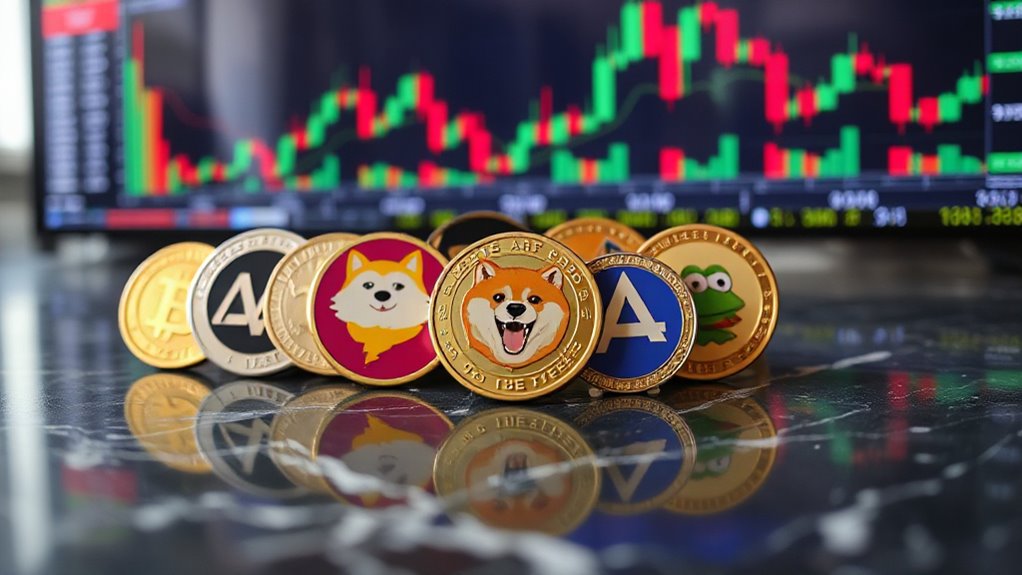
Meme coins have taken the cryptocurrency world by storm, capturing attention with their fun nature and strong online communities. Some of the most popular meme coins include Dogecoin, valued over $29 billion; Shiba Inu, with a market cap of around $7 billion; and Pepe Coin, inspired by a popular meme, nearing $3 billion. Other notable coins like Bonk and Floki Inu are also making waves. More insights about these coins and their potential follow.
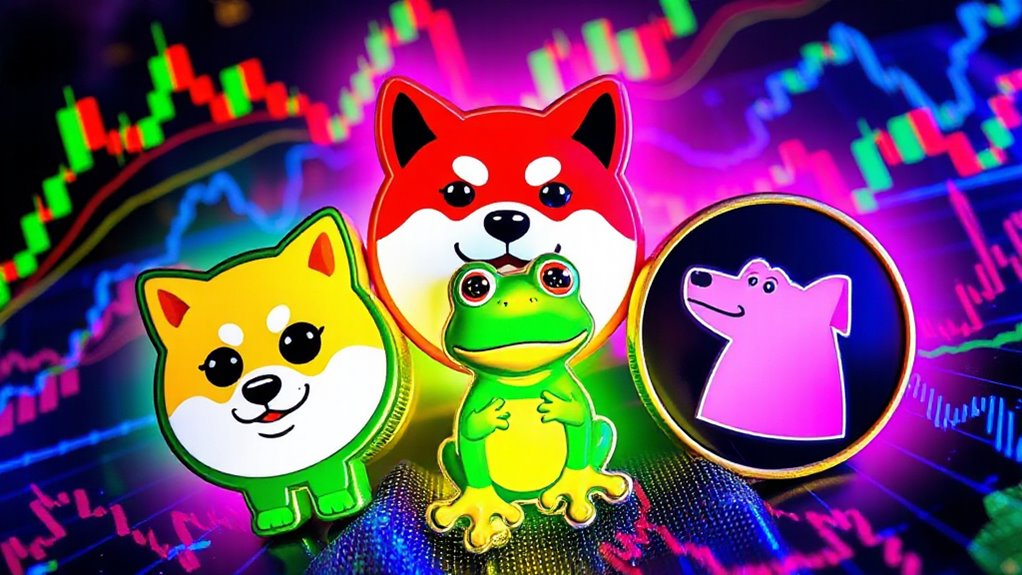
Meme coins have taken the cryptocurrency world by storm. These digital currencies are inspired by internet memes and trends. They often gain value through community excitement and social media rather than through new technology. The first meme coin, Dogecoin, launched in 2013 as a joke. Surprisingly, it grew into a significant financial player in the market.
Meme coins have revolutionized crypto, thriving on community excitement and social media, with Dogecoin leading the charge since 2013.
Meme coins have become popular for their fun nature and extreme price swings. This makes them quite different from traditional cryptocurrencies like Bitcoin and Ethereum. Strong online communities play an essential role in the success of these coins. Fans share memes and posts that create buzz and keep interest alive. Additionally, community engagement is crucial for the longevity of meme coins, as it fosters loyalty and emotional connections among investors. Moreover, many meme coins have transitioned into functional web3 projects, showcasing their potential for innovation beyond mere speculation. This evolution demonstrates how some meme coins can evolve into community-driven initiatives, further enhancing their appeal and relevance in the crypto space.
However, investing in meme coins can be risky. Their prices can fluctuate wildly, and they usually don’t have the same intrinsic value or technological backing as other cryptocurrencies.
By 2025, several meme coins had emerged as favorites among investors. Dogecoin remains on top, boasting a market cap of over $29 billion. It uses a Proof of Work system and has no limit on supply.
Shiba Inu is another popular coin, created to rival Dogecoin. Operating on the Ethereum blockchain, it has a market cap of around $7 billion.
Then there’s Pepe Coin, inspired by the “Pepe the Frog” meme, which has gained attention with a nearly $3 billion market cap.
Bonk, the first dog-themed token on the Solana blockchain, is known for its community focus, with a market cap of about $942 million.
Floki Inu, named after Elon Musk’s dog, aims to blend community engagement with real-world applications like NFT games.
Frequently Asked Questions
How Do Meme Coins Differ From Traditional Cryptocurrencies?
Meme coins differ from traditional cryptocurrencies in several ways.
Traditional cryptocurrencies, like Bitcoin, aim to solve real-world problems and have a stable market. They often attract serious investors and institutions.
In contrast, meme coins usually start as community-driven projects with no clear purpose, relying on internet trends and humor. Their prices are highly volatile and influenced by social media, making them more speculative and risky investments.
Most meme coins lack real-world utility.
Can Meme Coins Be Used for Real-World Purchases?
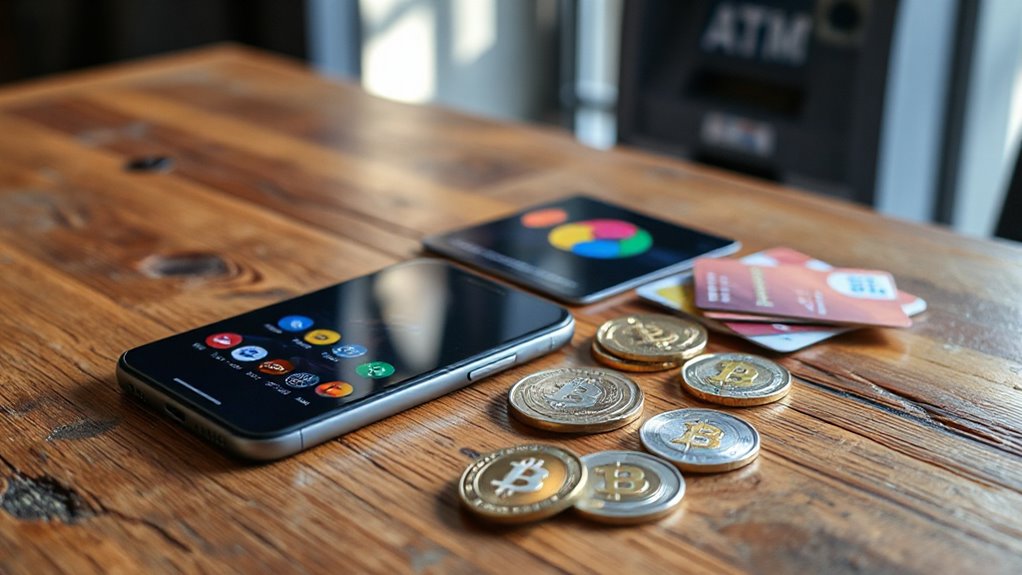
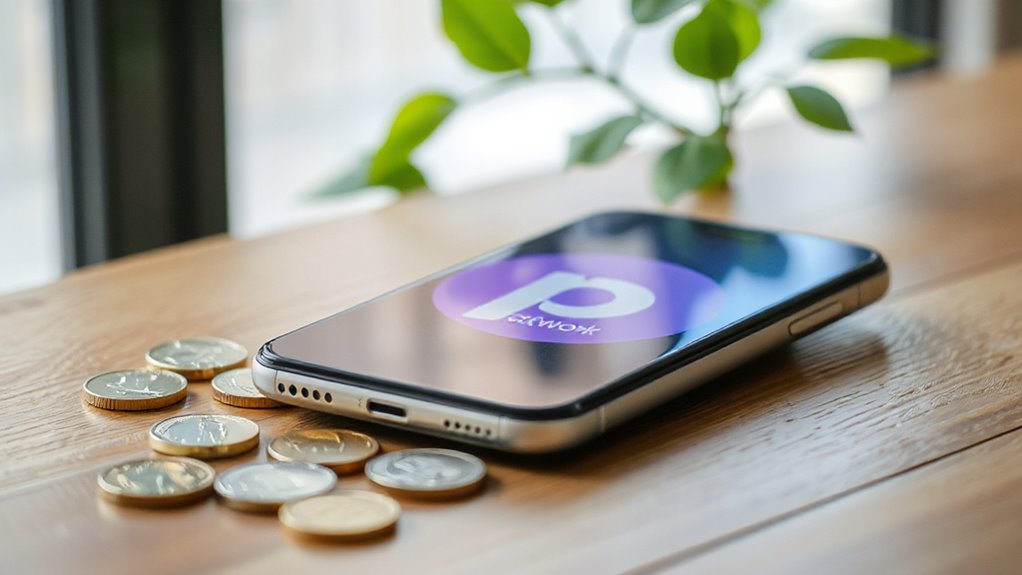
Meme coins can be used for real-world purchases, thanks to platforms like Charge.fun. They offer Visa-backed debit cards, allowing users to spend their memecoins wherever Visa is accepted. This makes transactions simple and accessible.
Charge.fun supports multiple blockchains, enhancing usability. While many meme coins are seen as speculative, initiatives like this are pushing them towards practical use, helping them gain recognition beyond just trading or community engagement.
What Are the Risks of Investing in Meme Coins?
Investing in meme coins carries significant risks.
These coins often have no real value and depend on social media hype. Prices can jump quickly, but they can also drop just as fast. Speculators may buy in hopes of making a profit, but this can lead to heavy losses.
Additionally, the market is prone to scams and manipulation, leaving investors with little legal protection.
How Do I Store My Meme Coins Securely?
Storing meme coins securely involves several key steps.
Users should choose reputable brands for hardware wallets, like Ledger or Trezor. It’s important to guarantee the wallet supports the specific meme coin.
Activating two-factor authentication and using strong passwords adds extra security.
Backing up seed phrases and private keys in safe locations is vital.
Additionally, staying informed about security updates and avoiding public Wi-Fi for transactions can help protect their investments effectively.
Are Meme Coins Regulated Like Other Cryptocurrencies?
Meme coins aren’t regulated the same way as other cryptocurrencies. The SEC doesn’t classify them as securities since their value often comes from speculation and market trends.
However, they can still face actions for fraud, like market manipulation. Regulations vary widely by country, creating confusion for investors.
Because of their nature, meme coins can be very volatile, making them risky investments. Investors should be cautious and stay informed about changing regulations.