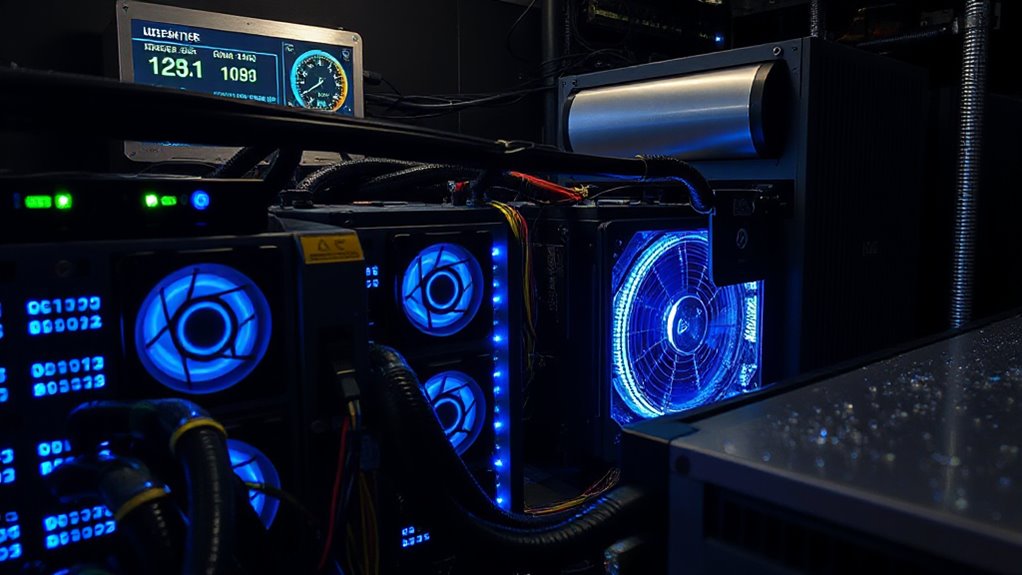

Crypto mining involves validating and adding transactions to a blockchain. Miners solve complex puzzles to secure networks. There are different types of mining, including solo, pool, and cloud mining. Each type has its own benefits and challenges. Miners need specific equipment like ASICs or GPUs, along with a reliable power source and internet connection. However, rising mining difficulty, high costs, and environmental concerns present hurdles. Understanding these aspects can help anyone looking to explore cryptocurrency mining further.
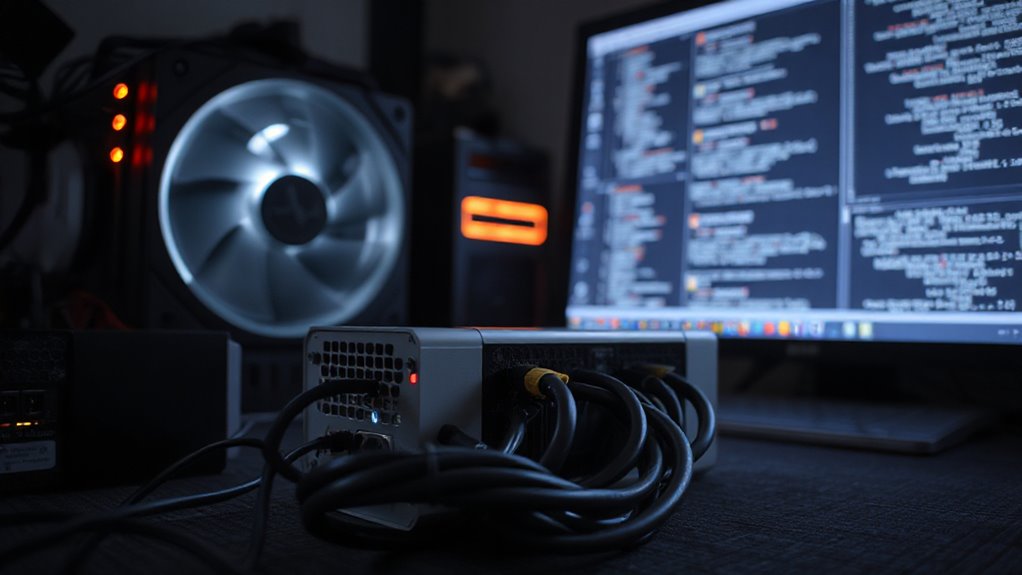
As interest in cryptocurrency grows, understanding crypto mining becomes important for many. Crypto mining is a process where individuals validate and add transactions to a blockchain by solving complex mathematical puzzles. Miners play a significant role in keeping blockchain networks secure and trustworthy. They guarantee that transactions are legitimate and cannot be tampered with.
There are different types of mining. In solo mining, an individual tries to mine on their own. However, this method is less common today because the competition is fierce. Pool mining is another option where miners join together to combine their computing power. This helps them share the rewards and reduces the risk of losing money due to unpredictable earnings.
Cloud mining allows people to lease mining power without needing physical hardware, making it easier for beginners.
Mining requires specific equipment to be successful. Application-Specific Integrated Circuits (ASICs) are specialized chips designed for efficient mining. Graphics Processing Units (GPUs) can also be used, as they are more cost-effective for newer miners. A reliable power supply is essential, along with cooling systems to handle the heat generated during mining. A stable internet connection is also necessary for smooth operations. Mining difficulty increases over time, impacting profitability, and not all cryptocurrencies utilize a competitive reward system.
However, mining has faced significant environmental concerns. It consumes a lot of electricity, leading to debates about its impact on the planet. Many miners are now seeking renewable energy sources to lessen their carbon footprints. Some are even exploring alternative methods like Proof-of-Stake (PoS), which require less energy.
Despite the potential rewards, starting in crypto mining comes with challenges. High upfront costs for hardware and market volatility can make it risky. Competition is increasing, and regulations vary widely in different regions. Miners must navigate these factors carefully.
Frequently Asked Questions
What Are the Legal Considerations for Crypto Mining?
Crypto mining comes with several legal considerations. Different countries have different rules. Some places require licenses for large mining operations.
Taxes are usually applied to mining income, which can include self-employment and capital gains taxes. Environmental regulations can also affect mining, especially due to high energy use.
In some areas, miners must follow money transmission laws and may face customs duties when importing equipment. Keeping track of these laws is essential for compliance.
How Do Taxes Apply to Cryptocurrency Mining Profits?
Taxes on cryptocurrency mining profits are significant.
Mining rewards are seen as ordinary income and are taxed when received. The tax amount is based on the cryptocurrency’s market value at that time.
If miners sell their coins later for a profit, they may owe capital gains tax. Keeping detailed records is essential for accurate reporting.
Tax laws can differ widely by country, affecting how miners manage their tax responsibilities.
Can I Mine Cryptocurrency Using a Regular Laptop?
Many people wonder if they can mine cryptocurrency using a regular laptop.
While it’s technically possible, it’s not ideal. Laptops often lack the powerful hardware needed for effective mining. They can overheat and may not be profitable due to high electricity costs.
Mining CPU-optimized coins like Monero is more suitable for laptops. However, serious miners typically use specialized hardware, like ASIC miners, for better performance and profitability.
What Are the Environmental Impacts of Crypto Mining?
Crypto mining has significant environmental impacts. It consumes about 63 terawatt-hours of energy each year, comparable to some countries.
This process also emits around 86 megatons of carbon dioxide, primarily from fossil fuels. Additionally, it uses 1.65 million liters of water, enough to fill numerous Olympic-sized pools.
Mining operations often require large land areas and can lead to resource extraction, raising concerns about sustainability and the need for better regulations.
How Do Mining Pools Work and Should I Join One?
Mining pools are groups of miners who combine their computer power to increase their chances of earning cryptocurrency. By working together, they can solve complex puzzles faster than individuals.
When a pool successfully mines a block, the rewards are shared among members based on their contribution. While joining a pool can lead to more consistent earnings, miners should consider factors like fees and the pool’s reputation before making a decision.