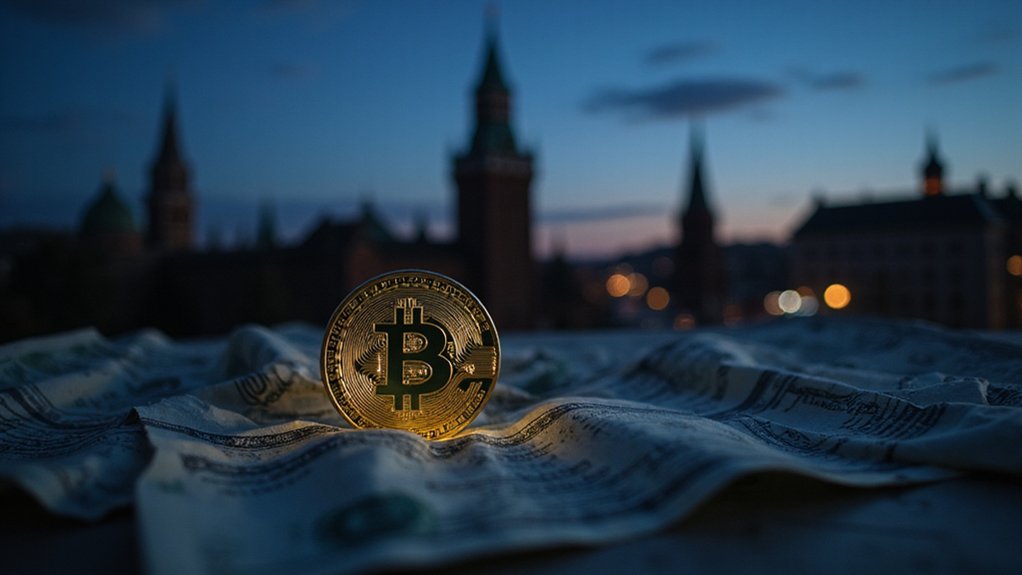

Satoshi Nakamoto is the mysterious creator of Bitcoin. This person or group published a whitepaper in 2008 and was active in the community until 2010. Despite many investigations and claims, Nakamoto’s true identity isn’t known. Some individuals, like Dorian Nakamoto and Craig Wright, have been wrongly linked to Bitcoin’s creation. The anonymity keeps Bitcoin decentralized and adds to its intrigue. There’s much more to uncover about Nakamoto’s impact on cryptocurrency and the ongoing speculation.

Who is behind Bitcoin? The creator of Bitcoin is known only by the pseudonym Satoshi Nakamoto. Despite many attempts to uncover Nakamoto’s true identity, it remains a mystery. Nakamoto introduced Bitcoin in a whitepaper published in October 2008. This document explained how the digital currency would work. Nakamoto was active in the Bitcoin community until 2010, after which they vanished completely. This sudden disappearance has led to much speculation about who Nakamoto could be.
Some people have been mistakenly identified as Nakamoto over the years. For example, Dorian Nakamoto was linked to Bitcoin in 2014 due to similarities in their names and interests. Craig Wright, another figure, claims to be Nakamoto but has been widely discredited. Others, like Nick Szabo, are often associated with Nakamoto because of similar writing styles and earlier work on projects like Bit Gold. Some theories suggest that Nakamoto might be a group of developers rather than just one person. The identity of Satoshi Nakamoto remains elusive, fueling ongoing curiosity and speculation about their true persona.
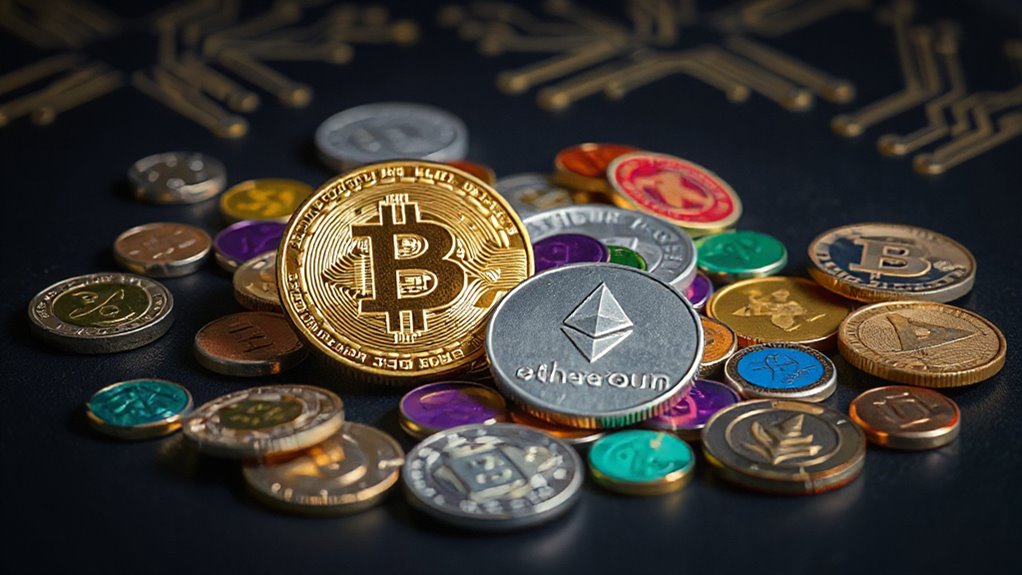
The anonymity surrounding Nakamoto has implications for Bitcoin’s market and community. It allows for various theories about Nakamoto’s motivations and intentions. Some speculate that Nakamoto holds over 1 million Bitcoins, which could affect market value. The absence of a known creator helps Bitcoin maintain its decentralized nature, a key part of its appeal. Ownership of approximately 1 million BTC has been attributed to Nakamoto, which adds to the speculation on their intentions. The creation of Bitcoin has led to a financial revolution that has inspired thousands of cryptocurrencies.
Numerous investigations have tried to reveal Nakamoto’s identity, but all have failed to provide solid proof. Claims from individuals like Peter Todd have surfaced but lack evidence. Despite digital footprints and writing analyses, no legally verified identity has been found.
Keeping their identity secret may protect Nakamoto from legal issues and help preserve Bitcoin’s independence from central control. This mystery continues to spark debates within the cryptocurrency community about the future of Bitcoin and its underlying principles.
Frequently Asked Questions
What Is the Process of Mining Bitcoin?
Bitcoin mining is the process of adding transactions to the Bitcoin blockchain.
Miners collect transactions from the mempool and form a new block. They then calculate a Merkle root and solve a complex math puzzle called Proof of Work. This confirms the block’s validity.
Successful miners receive new bitcoins and transaction fees as rewards.
The process is decentralized, and it helps secure the entire Bitcoin network, ensuring its integrity and functionality.
How Can I Buy Bitcoin Safely?
Buying Bitcoin safely involves several methods. People can use reputable exchanges like Coinbase or Binance, which provide secure trading environments.
Peer-to-peer platforms, such as Azteco, allow cash purchases without sharing personal information. Bitcoin ATMs are another option, with thousands of locations available.
It’s important to take into account wallet security, enable two-factor authentication, and stay updated on software to protect investments.
Researching platforms and understanding market trends is also essential for buyers.
What Are the Risks of Investing in Bitcoin?
Investing in Bitcoin carries several risks. Its price is very volatile, which can lead to big losses.
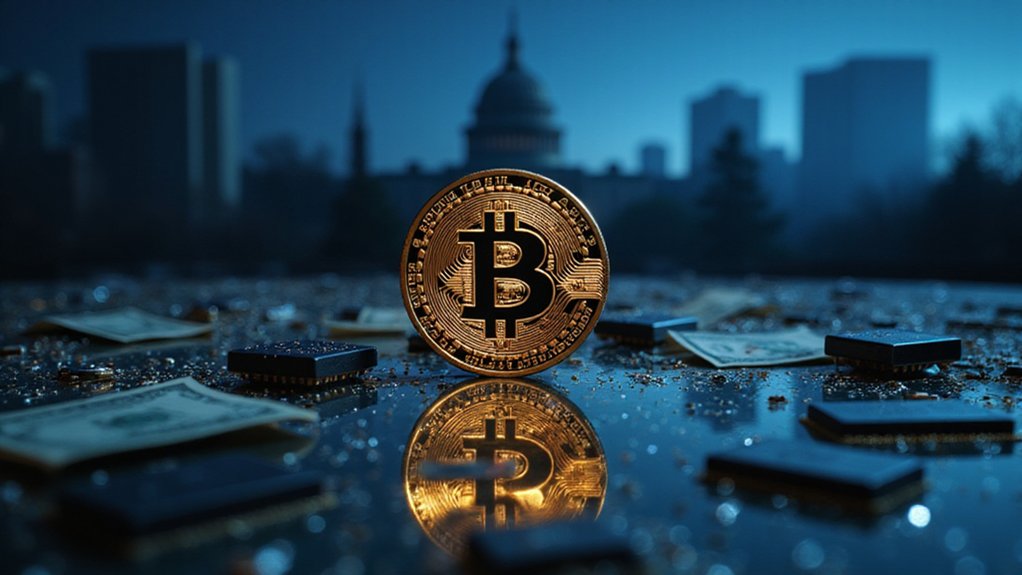
There’s also a lack of regulation, making it vulnerable to sudden legal changes. Additionally, Bitcoin is sometimes linked to illegal activities, affecting its reputation.
Security risks exist, too; exchanges can be hacked, and losing passwords might mean losing access to funds.
Finally, market manipulation and competition from government-backed digital currencies pose further challenges.
Is Bitcoin Legal in All Countries?
Bitcoin isn’t legal in all countries. It’s allowed in many places, like the United States and Japan, where clear rules exist.
However, several countries have banned it. For example, China and Egypt prohibit Bitcoin due to concerns over economic stability.
In some nations, like India, banks can’t deal with it, but holding Bitcoin isn’t illegal.
How Does Bitcoin Affect the Environment?
Bitcoin has a big impact on the environment. Its mining process uses a lot of energy, consuming around 63 terawatt-hours each year. This is similar to the energy usage of entire countries.
Most of the electricity comes from fossil fuels, causing significant carbon emissions. Each Bitcoin transaction requires about 500 kWh of energy, which is much more than traditional payment methods.
Additionally, mining contributes to water usage and generates electronic waste.