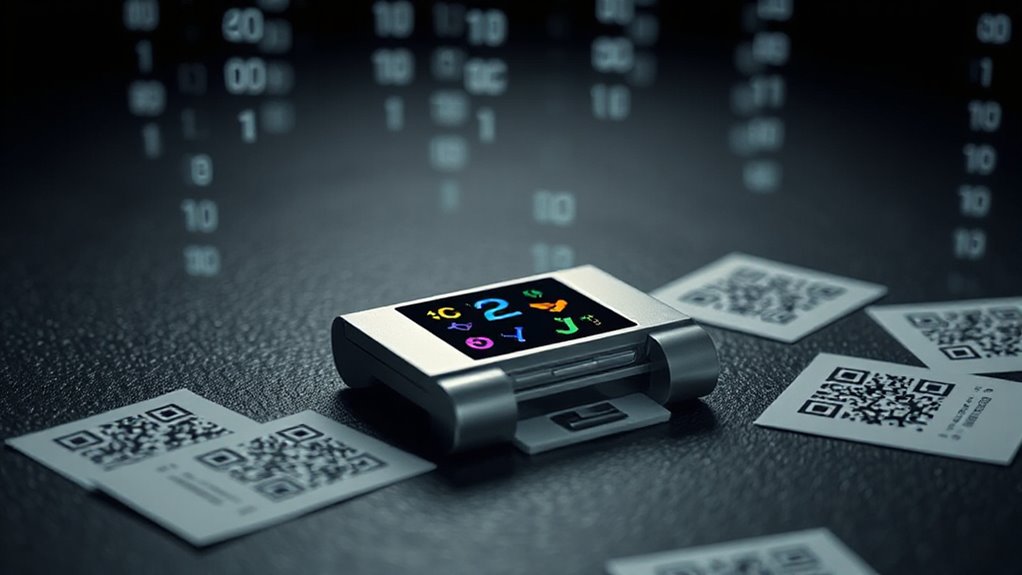

A hardware wallet is a physical device that keeps cryptocurrency private keys safe and offline. It looks like a USB drive and connects to the internet only during transactions. This extra security protects against online threats and hacking attempts. Many models are available, including Ledger and Trezor, each supporting various cryptocurrencies. Users can manage multiple digital assets while maintaining control. There’s plenty more to learn about their features and security benefits.
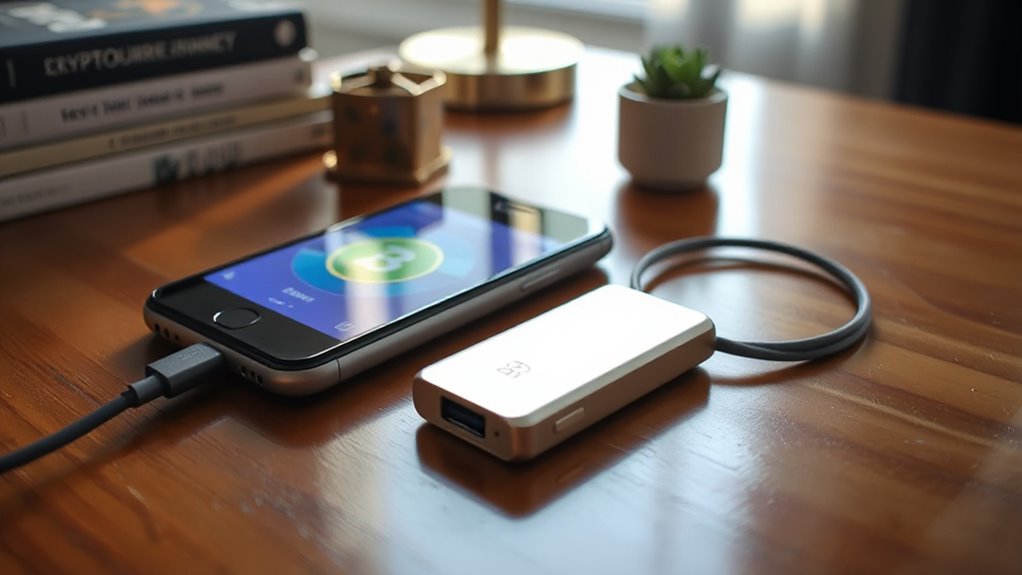
A hardware wallet is a physical device that securely stores cryptocurrency private keys offline. These wallets keep private keys in a safe place, protecting them from online threats. They usually look like USB drives and connect to the internet only during transactions. Because they store keys offline, hardware wallets offer better security than software wallets. This makes them a great choice for keeping large amounts of cryptocurrency. Additionally, using hardware wallets is a key component of Cryptocurrency Security Standards (CCSS), which guide users in managing their digital assets securely.
There are several popular models of hardware wallets, including Ledger, Trezor, ELLIPAL, and D’CENT. ELLIPAL has a unique design that is air-gapped, meaning it doesn’t connect to the internet at all. It uses QR codes for mobile support. D’CENT, on the other hand, includes biometric authentication and Bluetooth connectivity for added security. Keystone is another air-gapped wallet that also uses QR codes and a Secure Element for protection.
When users want to make transactions, the hardware wallet signs them within the device itself. A “crypto bridge” transfers unsigned transactions back and forth, ensuring that private keys never leave the device. This feature protects users from remote hacking attempts, making hardware wallets a safer option. To date, there have been no verifiable incidents of Bitcoin theft from hardware wallets, enhancing their reputation as a secure storage solution. Additionally, these wallets support a wide range of cryptocurrencies and advanced features, enabling safe interaction with blockchain networks.
Compared to software wallets, hardware wallets are more resistant to hacking. They prevent viruses from accessing private keys, which is a common risk with software wallets. Users also maintain full control over their digital assets without relying on third-party services. Many hardware wallets allow users to manage multiple cryptocurrencies on one device.
Most hardware wallets come with a PIN or passphrase for extra security. Some models offer a recovery seed, making it easy to back up and restore wallet data if needed. They often have user-friendly interfaces, with transaction details confirmed on a built-in screen or companion apps.
Frequently Asked Questions
Can I Use a Hardware Wallet for Multiple Cryptocurrencies?
Many hardware wallets can store multiple cryptocurrencies.
Devices like the Trezor Safe 3 support over 8,000 assets, while others, like BC Vault, can handle millions. This flexibility allows users to manage different digital currencies from one device.
Most hardware wallets also work with different blockchains, making it easy to access various types of cryptocurrencies. This feature is particularly useful for those who want to keep their assets secure and organized.
Do Hardware Wallets Require an Internet Connection?
Hardware wallets require an internet connection only for sending funds. They store cryptocurrencies offline, making them safer from hackers. Users can receive cryptocurrencies without being online.
The devices keep private keys secure, even while connected to the internet for transactions. This two-step process helps protect users’ assets.
Many popular models, like Ledger and Trezor, offer these capabilities, ensuring users have control over their digital currencies while minimizing security risks.
How Do I Recover My Funds if I Lose the Wallet?
If someone loses their wallet, the first step to recover funds is using the recovery seed. This seed is a set of words used to restore access on a new device.
The person must download compatible wallet software and enter the seed phrase manually or via QR code. It’s important to set up a new wallet afterward and transfer funds immediately to prevent theft.
Security measures should be strengthened to protect future access.
Are Hardware Wallets Safe From Physical Theft?
Hardware wallets can be vulnerable to physical theft. If someone steals the wallet, they might try to access it using brute force methods.
There are also risks during manufacturing where bad parts could be added. To protect against theft, it’s important to store these wallets securely, like in a safe.
Additionally, users must keep their recovery phrases and PINs safe to prevent unauthorized access to their funds.
What Is the Average Lifespan of a Hardware Wallet?
The average lifespan of a hardware wallet can vary, typically lasting between 5 to 10 years.
The secure chip inside lasts about 5 to 10 years, while the rechargeable battery usually lasts 2 to 3 years.
Factors like usage frequency and proper storage conditions can influence this lifespan.
Regular updates from manufacturers are also important.
Users should check for wear and tear to guarantee their wallets continue to function properly over time.