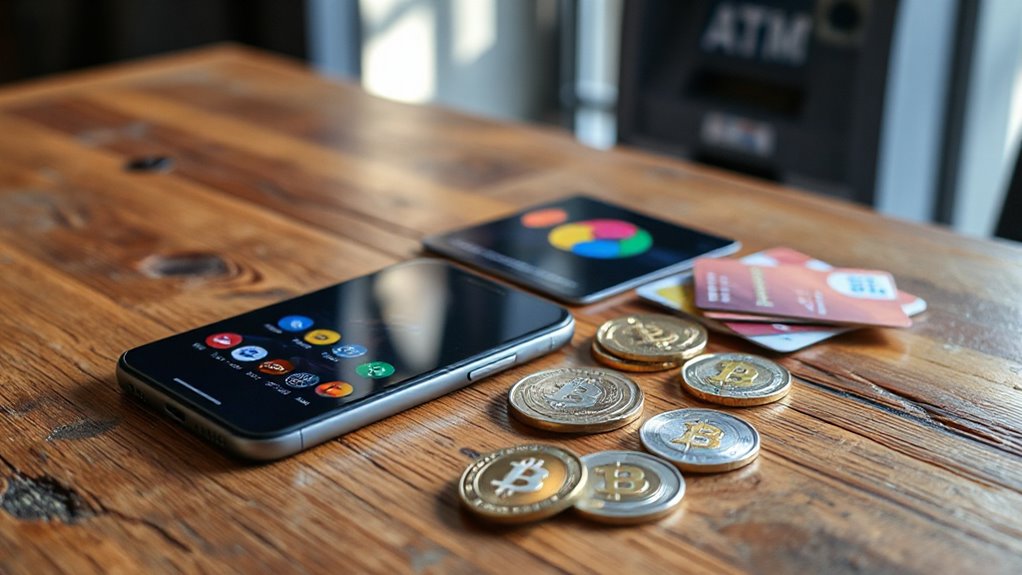
Satoshi Nakamoto’s white paper is the foundation of Bitcoin. It explains how Bitcoin works as a decentralized digital currency. The paper introduces blockchain technology, which records all transactions securely. This technology prevents fraud and protects user identities. Additionally, it covers the mining process, where miners validate transactions and earn new Bitcoin. The white paper highlights Bitcoin’s limited supply, which helps maintain its value. There’s much more to explore about this groundbreaking financial system.

When Satoshi Nakamoto released the Bitcoin whitepaper in 2008, it changed the way people think about money. This document was groundbreaking because it introduced a new kind of currency that didn’t rely on banks or governments. Instead, Bitcoin is a decentralized digital currency, which means it operates on a network of computers without a central authority. This peer-to-peer electronic cash system lets people send money directly to each other.
One of the most significant concepts in the whitepaper is blockchain technology. Blockchain acts as an immutable ledger that records all transactions. This means once a transaction is recorded, it can’t be changed or tampered with. The blockchain is secured with cryptography, which prevents double-spending and guarantees that all transactions are authentic. Digital signatures verify each transaction, adding another layer of security. As of October 11, 2024, 1 BTC valued at approximately $62,797, highlighting the asset’s ongoing volatility. The blockchain’s creation marked the beginning of a revolutionary journey that would influence financial systems worldwide.
The whitepaper also highlights the importance of anonymity. Unlike traditional banking systems that require personal information, Bitcoin allows users to transact without revealing their identities. This feature attracts many individuals who value privacy.
Bitcoin empowers users with anonymity, enabling transactions without personal information and appealing to those who prioritize privacy.
Mining is a vital aspect of Bitcoin’s operation. Miners validate transactions by solving complex math problems, and they are rewarded with new Bitcoin. This process not only secures the network but also maintains its integrity. All transactions are timestamped and recorded on the blockchain, making it easy to track and verify them. Additionally, the Bitcoin whitepaper specifies a finite supply of 21 million Bitcoins to maintain value, which reinforces the concept of scarcity in the cryptocurrency market.
Additionally, Bitcoin has a limited supply of 21 million coins. This finite supply creates scarcity, which is intended to help maintain its value over time. As more people become interested in Bitcoin, its price can fluctuate based on market demand.
Frequently Asked Questions
Who Is Satoshi Nakamoto in Real Life?
Satoshi Nakamoto is the name used by the unknown person or group that created Bitcoin. The true identity of Nakamoto remains a mystery.
Some people think Nakamoto could be one individual, while others believe it’s a team. Various candidates have been suggested, including Dorian Nakamoto, Hal Finney, and Nick Szabo, but none have been definitively proven.
Satoshi’s anonymity keeps the focus on Bitcoin and its technology rather than the creator.
What Inspired the Creation of Bitcoin?
The creation of Bitcoin was inspired by several factors. The 2008 financial crisis caused many to lose trust in banks. People wanted a system that didn’t rely on traditional financial institutions.
The cypherpunk movement also played a role, promoting privacy and digital cash. Bitcoin aimed to provide a decentralized alternative.
It used new technology to guarantee secure transactions without middlemen, offering a way to resist inflation and control personal finances.
How Does Bitcoin Mining Work?
Bitcoin mining involves collecting pending transactions and grouping them into a block. Miners then solve a complex puzzle using powerful computers. This process, called Proof of Work, secures the network.
Once a miner solves the puzzle, they broadcast the new block to others. Successful miners earn new Bitcoins and transaction fees as rewards.
Mining also helps keep Bitcoin decentralized, ensuring many people control the network instead of a single entity.
What Are the Risks of Investing in Bitcoin?
Investing in Bitcoin comes with several risks. Its prices can change quickly, leading to possible financial losses.
The market lacks regulation, which raises concerns about fraud and manipulation. Transactions can’t be reversed, making user errors costly.
Security is another issue, as exchanges and wallets can be hacked. Ultimately, unclear regulations can impact Bitcoin’s value and use.
These factors make it important for investors to contemplate their options carefully before investing.
What Are the Legal Implications of Bitcoin Usage?
The legal implications of using Bitcoin vary widely around the world. In the U.S., it’s treated as property for taxes.
The European Union exempts Bitcoin transactions from VAT, while in India, the rules are unclear.
Some countries, like China, allow Bitcoin holding but impose restrictions.
El Salvador made Bitcoin legal tender, but others discourage its use.
These differences create challenges for users and businesses wanting to deal with Bitcoin internationally.