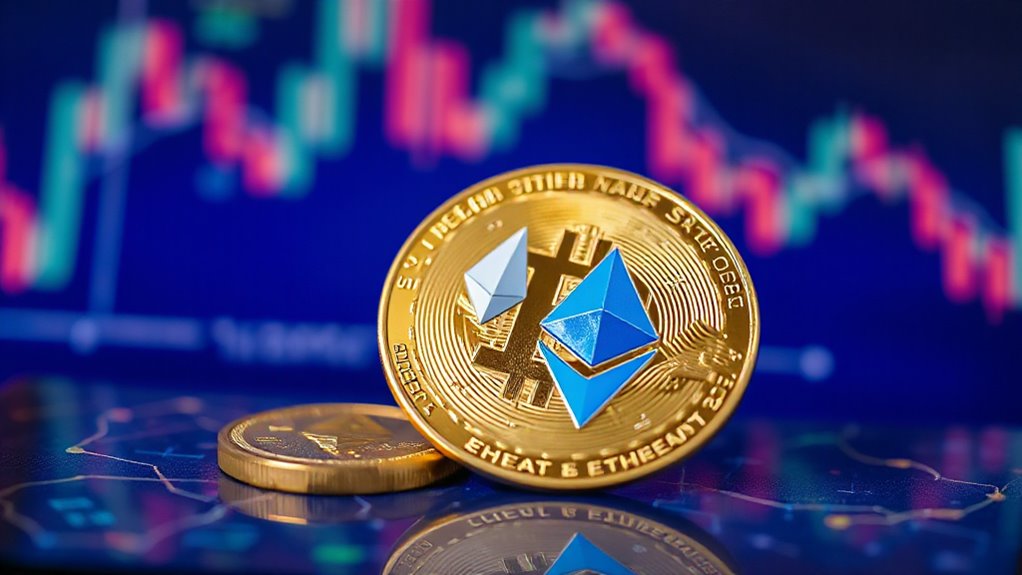
Wrapped Bitcoin (WBTC) is a token on the Ethereum blockchain that represents Bitcoin at a 1:1 ratio. This allows Bitcoin holders to easily engage with decentralized finance (DeFi) applications within the Ethereum ecosystem. WBTC is created through a process called wrapping, where Bitcoin is locked away to mint WBTC. Users can also unwrap WBTC back into Bitcoin. WBTC improves trading efficiency and liquidity in the DeFi space, bridging Bitcoin and Ethereum. More details are available.

Wrapped Bitcoin, often called WBTC, is a special type of digital token that represents Bitcoin on the Ethereum blockchain. It is designed to make Bitcoin usable within Ethereum’s decentralized finance (DeFi) ecosystem. WBTC follows the ERC-20 standard, which is a set of rules for tokens on Ethereum. This allows WBTC to easily interact with various applications in the Ethereum network. Moreover, the standardized set of rules ensures that WBTC can seamlessly integrate with other ERC20 tokens.
One of the key features of WBTC is its 1:1 peg with Bitcoin. This means that for every WBTC token created, there is one Bitcoin held in reserve. This peg helps maintain trust and value. The process to create WBTC is called wrapping. When someone wants to wrap Bitcoin, they lock their BTC with a custodian, who then mints an equivalent amount of WBTC on the Ethereum blockchain. Merchants play a role by verifying requests and helping to initiate this wrapping process. Additionally, enhancing liquidity on exchanges is a crucial benefit of WBTC, as it allows Bitcoin holders to access decentralized finance applications more effectively.
WBTC also has a role in DeFi, allowing Bitcoin holders to participate in Ethereum-based applications. Users can engage with smart contracts for activities like lending and borrowing. Additionally, WBTC can be converted back to Bitcoin through a process known as unwrapping, where the WBTC is burned, and the Bitcoin is released. This interoperability between blockchains is a key factor in enhancing the overall utility of cryptocurrencies.
WBTC enables Bitcoin holders to engage in Ethereum DeFi, facilitating lending, borrowing, and seamless conversion back to Bitcoin.
The benefits of WBTC are significant. It enhances liquidity in Ethereum’s DeFi space by bringing Bitcoin’s value into the mix. This added liquidity helps improve trading efficiency and reduces slippage on trades.
WBTC is also used in various applications, from decentralized exchanges to complex financial operations.
Frequently Asked Questions
How Is WBTC Different From Traditional Bitcoin?
Wrapped Bitcoin (WBTC) differs from traditional Bitcoin in several key ways.
WBTC is an ERC-20 token on the Ethereum blockchain, allowing it to be used in decentralized finance (DeFi) applications. It can be traded faster and often incurs lower fees due to Ethereum’s block times.
Additionally, WBTC is backed 1:1 by Bitcoin held in custodial accounts, making it easily convertible back to Bitcoin, unlike traditional Bitcoin which operates solely on its own blockchain.
Can I Convert WBTC Back to Bitcoin?
Yes, WBTC can be converted back to Bitcoin.
To do this, users must select the right exchange that supports the WBTC/BTC pair. After entering the amount of WBTC to convert, transaction verification occurs on both the Bitcoin and Ethereum networks.
Fees may apply, and the process helps users return to the Bitcoin ecosystem. This conversion is part of a broader strategy for managing cryptocurrency assets effectively.
What Wallets Support Wrapped Bitcoin?
Several wallets support Wrapped Bitcoin, allowing users to buy, sell, and manage their assets easily.
Bitcoin.com offers a dedicated wallet for WBTC.
Kraken Wallet provides a self-custody solution, while Ledger Wallets like the Nano X guarantee high security for stored assets.
Some wallets even integrate with MoonPay for convenient purchasing.
Users can enjoy features like staking, trading, and access to decentralized finance (DeFi) applications across various blockchain networks.
Is WBTC Subject to Regulatory Scrutiny?
Yes, WBTC is facing regulatory scrutiny.
As laws around cryptocurrencies change, regulators, like the U.S. SEC, are looking to classify and oversee crypto assets, including wrapped tokens. This scrutiny can create challenges, such as ensuring compliance with securities laws and custody rules.
Legal uncertainties might impact WBTC’s market value and liquidity. If compliance issues arise, major exchanges could choose to delist WBTC, which would affect its trading and trustworthiness.
How Does WBTC Impact Bitcoin’s Price?
WBTC can impact Bitcoin’s price in several ways. Since WBTC is tied to Bitcoin, its price usually moves with it.
If WBTC trading increases, it can boost Bitcoin’s market cap and trading volume.
However, problems with WBTC, like custodian errors or market shifts, might cause its price to differ from Bitcoin’s.