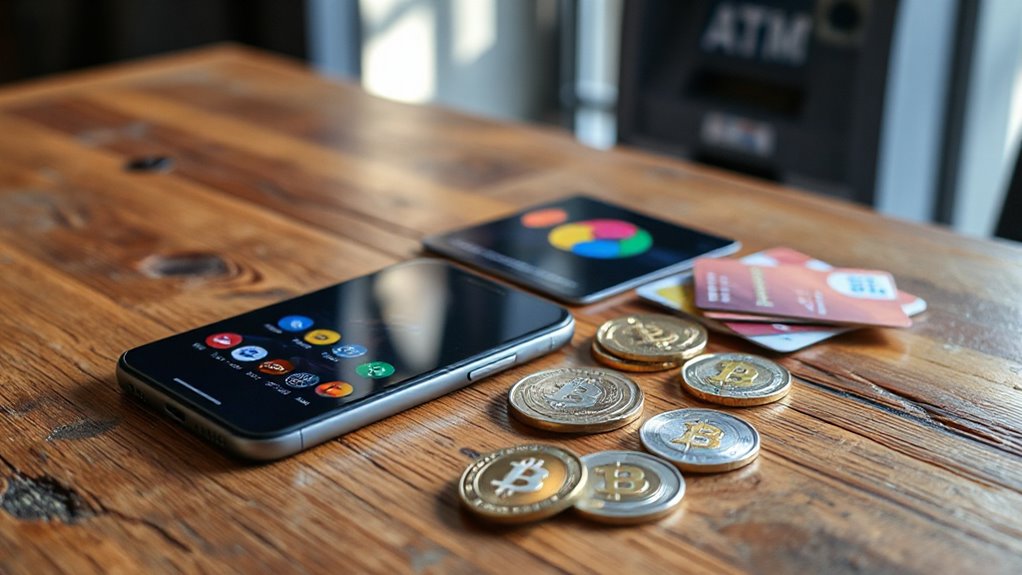

When deciding between hardware and software wallets for cryptocurrency, users must consider security and convenience. Hardware wallets are physical devices that store private keys offline, making them safer from online threats. In contrast, software wallets are digital applications that are user-friendly and accessible but can be vulnerable to hacking. Hardware wallets offer high security, while software wallets provide easier access for transactions. Both types have their strengths, and further details can help clarify the best choice for individual needs.
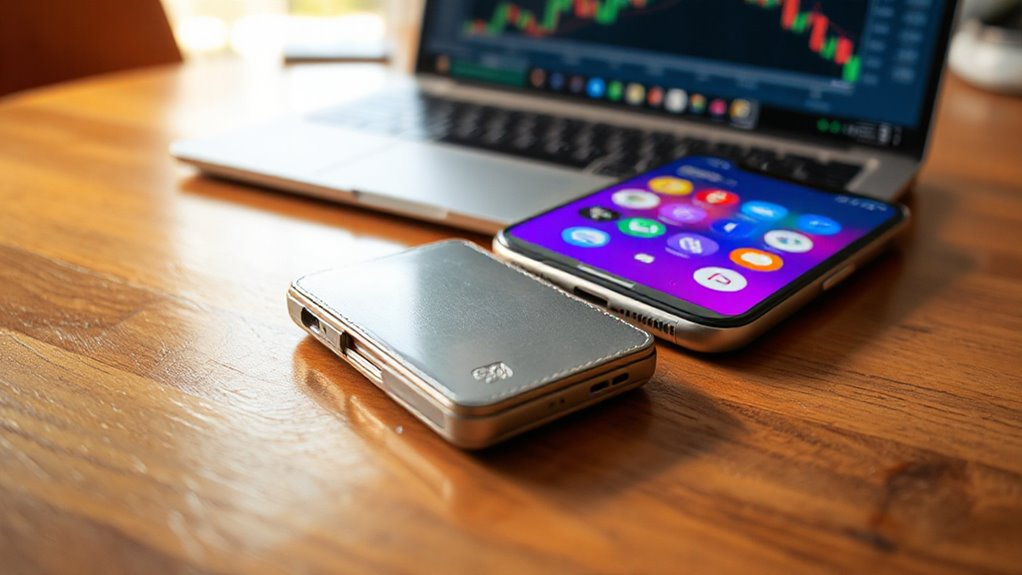
As the world of cryptocurrency grows, choosing the right way to store digital assets becomes important. Two main types of wallets exist for this purpose: hardware wallets and software wallets. Hardware wallets are physical devices that store cryptocurrencies securely offline. In contrast, software wallets are digital applications that manage cryptocurrencies and are often connected to the internet. The key difference lies in their focus; hardware wallets prioritize security, while software wallets emphasize convenience.
Hardware wallets include types like air-gapped wallets and wireless-enabled versions. These wallets are ideal for long-term storage of digital assets. In addition, hardware wallets can provide an extra layer of security features that enhance protection against unauthorized access. On the other hand, software wallets come in web, mobile, and desktop versions, making them suitable for frequent transactions. Because hardware wallets keep private keys offline, they considerably reduce the risk of hacking, with statistics showing that over $3.8 billion in cryptocurrency was stolen in 2022. This increased security is due to the fact that hardware wallets utilize cold storage.
Hardware wallets, such as air-gapped and wireless-enabled types, enhance security for long-term asset storage, while software wallets offer convenience for frequent transactions.
Software wallets, however, are more vulnerable to online threats such as phishing and malware due to their internet connectivity. The convenience of software wallets makes them easy to access and manage on computers or smartphones. However, hardware wallets require a physical connection for transactions, which can feel less spontaneous.
While hardware wallets are compact and portable, they are not as easily accessible as software wallets. Regarding cost, hardware wallets typically range from $40 to over $200, depending on features. Software wallets are usually free or low-cost, making them accessible to most users.
When it comes to features, hardware wallets offer enhanced security but limited functionality. In contrast, software wallets provide integrated trading tools and support for diverse cryptocurrencies. The setup for hardware wallets can be complex and intimidating, especially for beginners. Software wallets, however, are user-friendly and easy to set up.
Ultimately, the choice between hardware and software wallets depends on individual needs. Each has its strengths and weaknesses, catering to different types of cryptocurrency users in today’s digital landscape.
Frequently Asked Questions
Can I Use Both Hardware and Software Wallets Together?
Yes, users can use both hardware and software wallets together. This combination enhances security and convenience.
Hardware wallets store private keys offline, reducing hacking risks. Software wallets provide an easy way to view balances and make transactions.
By integrating the two, users can manage their cryptocurrencies more effectively. Popular options like Electrum and Sparrow support this integration.
This hybrid approach allows quick access for daily transactions while keeping larger holdings secure.
How Long Does a Hardware Wallet Last?
A hardware wallet typically lasts between 2 and 10 years, depending on various factors.
The battery usually lasts 2 to 5 years, while secure chips can function for 5 to 10 years. Regular maintenance every 6 to 12 months can help extend its lifespan.
However, exposure to water, extreme temperatures, and physical damage can shorten its duration. Proper storage and infrequent use may also contribute to a longer-lasting device.
Are Software Wallets Safe on Mobile Devices?
Many people wonder if software wallets on mobile devices are safe. These wallets face risks like malware and phishing attacks.
While they can store keys securely using technology like secure enclaves, they remain vulnerable to hacking. If a device is compromised or stolen, the wallet’s contents may be at risk.
Users need to stay informed about security practices to protect their assets, as well as understand the limitations of these wallets.
What Happens if I Lose My Hardware Wallet?
Losing a hardware wallet can be serious. If someone loses it and their seed phrase, recovering their cryptocurrency is often impossible.
It’s crucial to store both the wallet and seed phrase securely. After a loss, notifying authorities and the wallet manufacturer is important.
Transferring assets to a new secure wallet can help. Users should also seek help from trusted recovery services and verify their new wallet is from a reliable source.
Can I Recover My Software Wallet if My Device Crashes?
If a device crashes, recovering a software wallet can be tricky. Users may restore it using a seed phrase, if available, or from backup files, like wallet.dat.
However, these files must be intact to work. For more complex issues, hiring data recovery experts is an option. Additionally, some specialized tools can help retrieve wallet information.