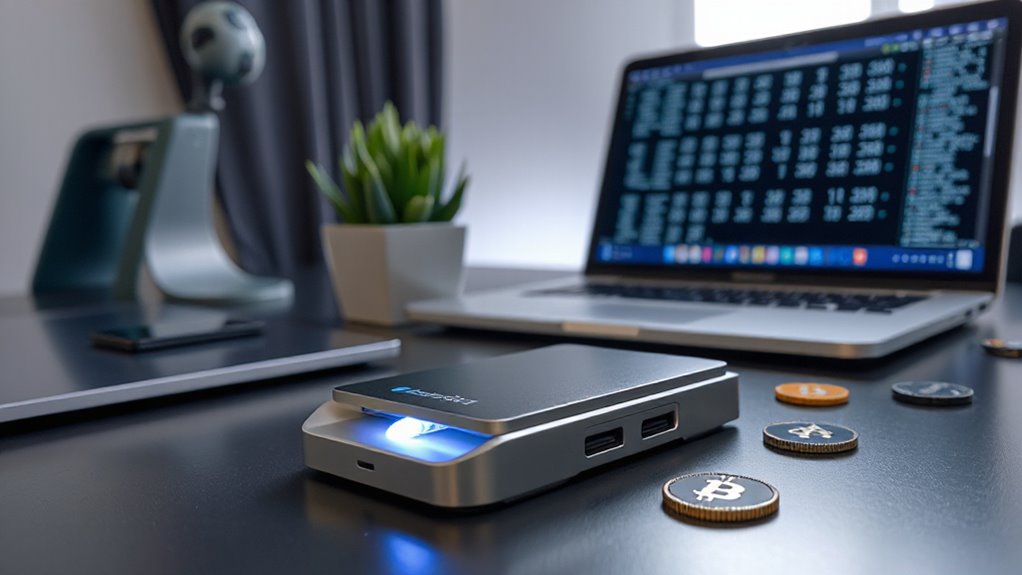

To get a Bitcoin address, a person needs a digital wallet. Wallets can be software, hardware, or even paper. These wallets generate unique addresses for sending and receiving Bitcoin. The process starts with creating a secure private key. Then, a public key is generated from it. Various address types exist, each serving different transaction needs. Users can improve privacy by using new addresses for each transaction. More details on wallets and address types are available.
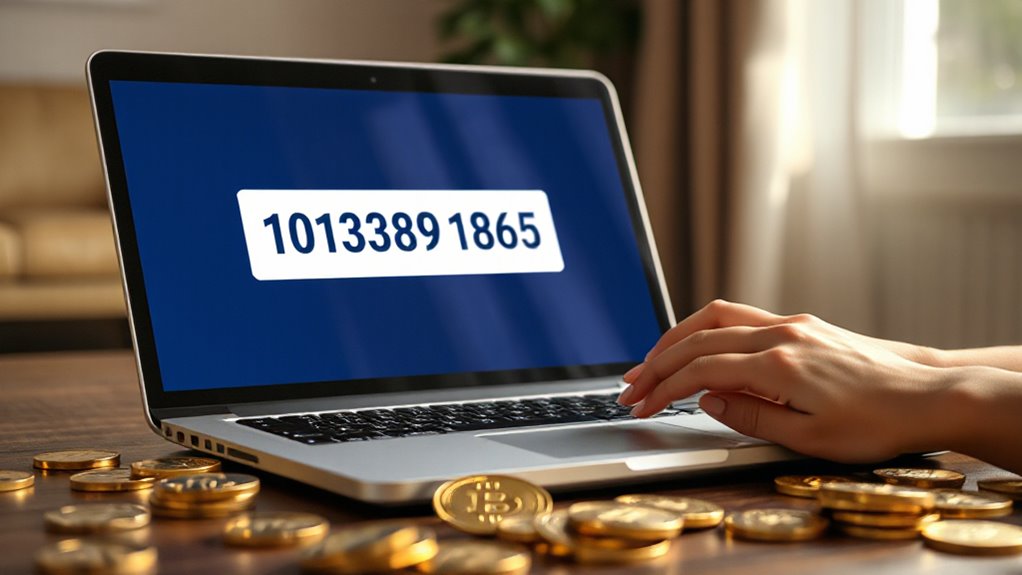
Getting a bitcoin address is a crucial step for anyone interested in using cryptocurrency. A bitcoin address is an alphanumeric string that functions like an email address for receiving bitcoin. It allows users to send and receive funds securely. There are different types of wallets that can generate bitcoin addresses, including software, paper, and hardware wallets. Each type serves a unique purpose and offers various levels of security. Crypto wallets are essential tools that facilitate this process.
Obtaining a bitcoin address is essential for securely sending and receiving cryptocurrency, with various wallet options available.
When a bitcoin address is created, it begins with a private key. This key is a random string of 64 hex characters. From this private key, a public key is derived using a complex mathematical process. The public key is then hashed twice using algorithms called SHA256 and RIPEMD160. Lastly, a version byte is added to identify the type of address. Bitcoin addresses generally range from 26 to 35 characters in length. A random 64-character private key is generated first which can be any number between 0 and n-1. Different types of wallets provide varying levels of security for managing these addresses.
There are several types of bitcoin addresses. The P2PKH addresses start with “1” and are used for basic transactions. P2SH addresses begin with “3” and allow for more complex transactions like multisig. The newer Bech32 addresses, which start with “bc1,” provide lower transaction fees and fix certain issues related to transaction malleability. There’s also the Taproot address, which offers improved privacy and flexibility.
To generate a bitcoin address, users can utilize various tools. Most wallet software can create new addresses easily. Additionally, hardware wallets offer a secure way to generate and store keys offline. Some blockchain platforms have built-in address generation as well.
When it comes to using bitcoin addresses, sharing them allows users to receive funds. However, sending bitcoin requires the recipient’s address. It’s significant to highlight that while addresses can be shared publicly, transaction histories are visible on the blockchain. Consequently, using new addresses for each transaction can enhance privacy.
Frequently Asked Questions
Can I Have Multiple Bitcoin Addresses?
Yes, it’s possible to have multiple Bitcoin addresses. A single Bitcoin wallet can create thousands of addresses. This helps users maintain their privacy by making it harder to trace transactions.
Each address is unique and can be used for different transactions. Many wallets use something called Hierarchical Deterministic (HD) technology, which allows for limitless address generation from one seed phrase.
This method enhances both security and privacy for Bitcoin users.
Are Bitcoin Addresses Reusable?
Bitcoin addresses can be reused, but this practice isn’t recommended. Reusing addresses can hurt a user’s privacy. It allows others to see transaction histories and connect them to identities.
This could lead to security threats, including potential attacks on private keys. Currently, about half of Bitcoin transactions go to previously used addresses.
Experts suggest that using a new address for each transaction can help keep personal information safer and more private.
How Do I Secure My Bitcoin Address?
Securing a Bitcoin address involves several important steps. Users should keep their private keys secret to prevent unauthorized access.
Using hardware wallets can provide strong protection, as these devices store keys offline. Additionally, cold storage minimizes online risks. Multi-signature wallets enhance security by requiring multiple approvals for transactions.
Regular backups are essential for recovering funds if devices are lost or stolen. Proper access control can further improve security measures for Bitcoin addresses.
What Happens if I Lose My Bitcoin Address?
When someone loses their Bitcoin address, they often face serious consequences.
Access to their cryptocurrency may be permanently lost. This can happen if they forget their private keys or seed phrases.
Phishing attacks or losing devices can also lead to a loss. Without a central authority to help, recovering lost Bitcoin is difficult and sometimes expensive.
It’s estimated that around $140 billion worth of Bitcoin is currently inaccessible due to these issues.
Can I Create a Bitcoin Address Anonymously?
Creating a Bitcoin address anonymously is possible, but it comes with challenges.
Bitcoin addresses are pseudonymous, meaning they don’t reveal personal identity but can be traced. Users can enhance privacy by using mixing services or privacy coins.
Employing tools like VPNs and Tor can further protect anonymity. However, complete anonymity is difficult to achieve.
It’s important for users to be aware of the risks involved when trying to keep their Bitcoin transactions private.