Real-world assets (RWAs) are changing the crypto world by bringing tangible items onto the blockchain. This includes things like real estate and gold, which can now be digitized. Tokenization allows people to own fractions of these assets, making investing easier. Blockchain technology guarantees trust and lowers costs by cutting out middlemen. However, challenges like unclear regulations and market volatility remain. There’s much more to discover about how RWAs can reshape finance.
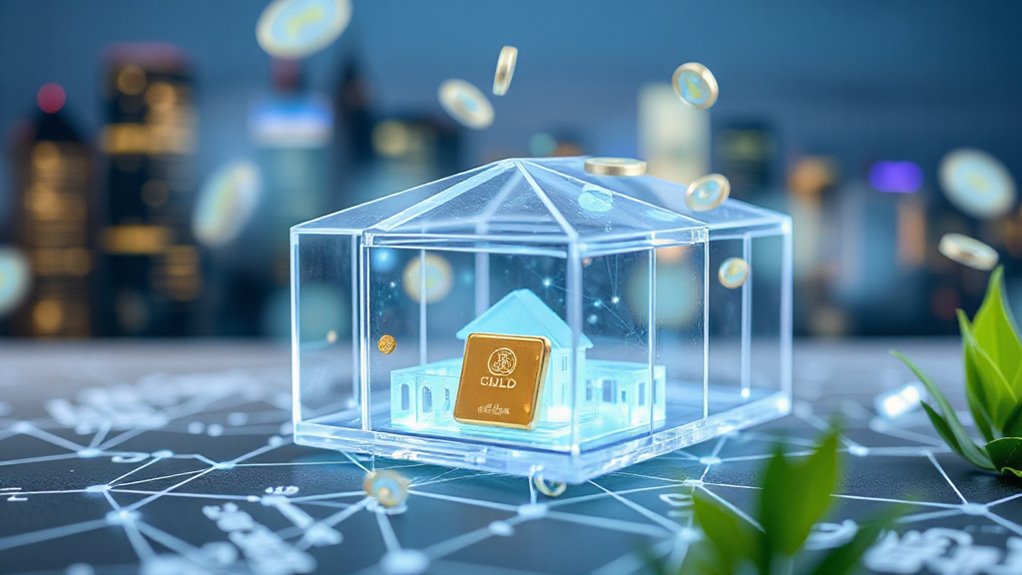
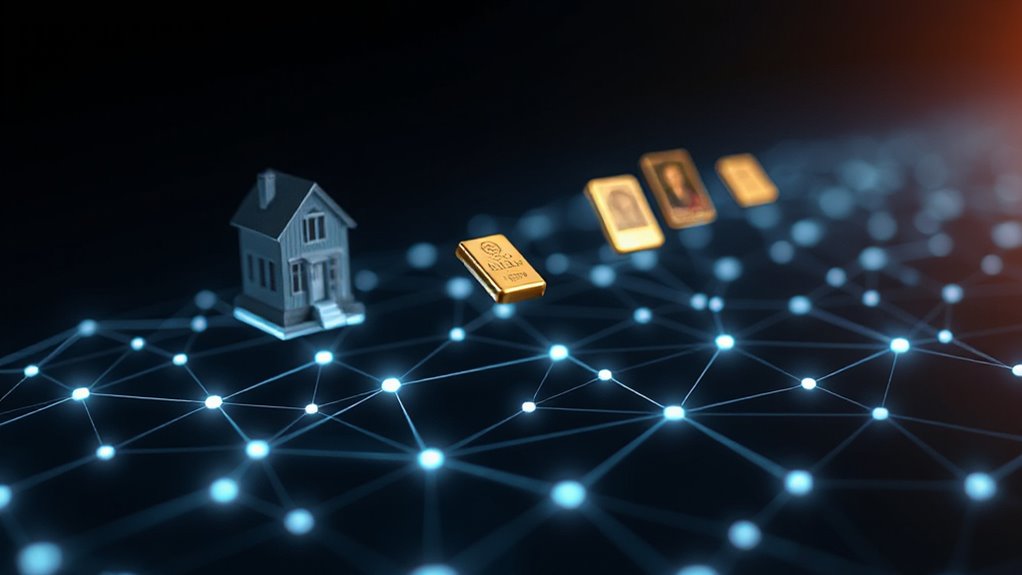
As the world of finance evolves, real-world assets (RWAs) are finding a new home on the blockchain. RWAs are tangible items like real estate, commodities, and financial securities that can be represented digitally. This process is called tokenization, which allows people to own a fraction of these assets. It opens the door for more people to invest in things like art and collectibles, making the market larger and more accessible. Additionally, stablecoins play a vital role in facilitating transactions involving RWAs by providing a reliable alternative to traditional currencies.
One of the biggest benefits of RWAs is that they enhance liquidity for assets that are usually hard to sell. Blockchain technology brings transparency and trust to transactions. By reducing the number of middlemen involved, tokenization also lowers transaction costs. This means that people from anywhere in the world can participate in buying and selling RWAs, making cross-border deals easier. Additionally, RWAs provide new ways for transferring ownership and sharing revenue. Increased liquidity and accessibility is a key advantage that allows more investors to enter markets that were once out of reach. Moreover, 85% of surveyed merchants view crypto payments as a means to reach new customers, further highlighting the potential growth in the market for RWAs.
RWAs boost liquidity, reduce costs, and enhance global participation in asset transactions, transforming ownership and revenue sharing.
There are several examples of RWAs being used in decentralized finance (DeFi). Platforms like Goldfinch use RWAs as collateral for loans. RealT allows people to buy fractions of real estate properties. Securitize helps offer tokenized securities to a wider audience, while MakerDAO uses these assets for stablecoin collateralization. Even airline tickets are being turned into NFTs by TravelX.
However, there are challenges. The rules around RWAs are still being created, and sometimes they’re unclear. Market volatility can affect the value of tokenized assets. There are also security risks, especially when managing smart contracts. In addition, the technology and laws can be complicated, and not all industries are adopting RWAs equally.
Looking ahead, advances in blockchain technology are expected to make RWAs even more useful. Greater acceptance from financial institutions and governments is likely. As smart contract security improves and regulations become clearer, RWAs could play a bigger role in the future of finance.
Frequently Asked Questions
How Do I Invest in Real-World Assets on the Blockchain?
Investing in real-world assets on the blockchain involves a few steps. First, individuals need to select the asset they want to invest in, like property or commodities.
Next, they should choose a platform that offers tokenization services. These platforms help create digital tokens that represent the assets.
It’s also important to understand the regulations in their area, as laws can vary.
Finally, investors should guarantee the platform follows compliance measures to protect their investments.
What Are the Risks Associated With Real-World Asset Tokenization?
Real-world asset tokenization comes with several risks.
Legal ambiguity makes it hard to navigate regulations. Different countries have unique laws, complicating cross-border transactions.
Technologically, smart contracts can be hacked, and blockchain can face congestion issues.
Market risks include low liquidity and high volatility, which can make trading difficult.
Operationally, it’s challenging to combine traditional systems with blockchain, and understanding these new technologies is still a hurdle for many people.
Can Real-World Assets Be Converted Back to Physical Form?
Real-world assets can be converted back to physical forms, but it’s not always straightforward. This process often involves intermediaries who handle the transaction.
For example, real estate tokens may need legal transfers, while commodities like gold can be redeemed through trusted custodians. Each asset type has its own rules and complexities.
Regulations play a key role in how these conversions happen, affecting how easily someone can turn digital tokens back into physical assets.
What Regulations Govern Real-World Assets on the Blockchain?
Regulations for real-world assets on the blockchain can vary a lot depending on where you are. Many of these assets are treated like securities, meaning they must follow specific laws.
Companies often need licenses to issue or trade these assets. Ongoing monitoring is essential, as rules can change.
Additionally, international transactions face extra challenges due to different regulations in each country, making compliance a complex task for businesses.
Are There Any Fees for Trading Real-World Asset Tokens?
When trading real-world asset tokens, there are typically fees involved. The main cost is the gas fee for blockchain transactions.
Some platforms may also charge market fees for buying or selling these tokens. Depending on the blockchain used, network fees can vary.
Additionally, companies that manage these tokens might impose their own fees. Regulatory compliance can also add extra costs, making it important for traders to be aware of all potential expenses.