Converting Bitcoin to physical Bitcoins isn’t easy. There’s no direct way to exchange digital currency for tangible coins. Physical Bitcoins, like those made by Mike Caldwell, contain private keys and can hold value for collectors. However, production of these coins stopped due to legal issues in 2013. Users usually need to sell their digital Bitcoin to purchase physical versions from specialized vendors. To learn about modern options for holding Bitcoin, more details are available.
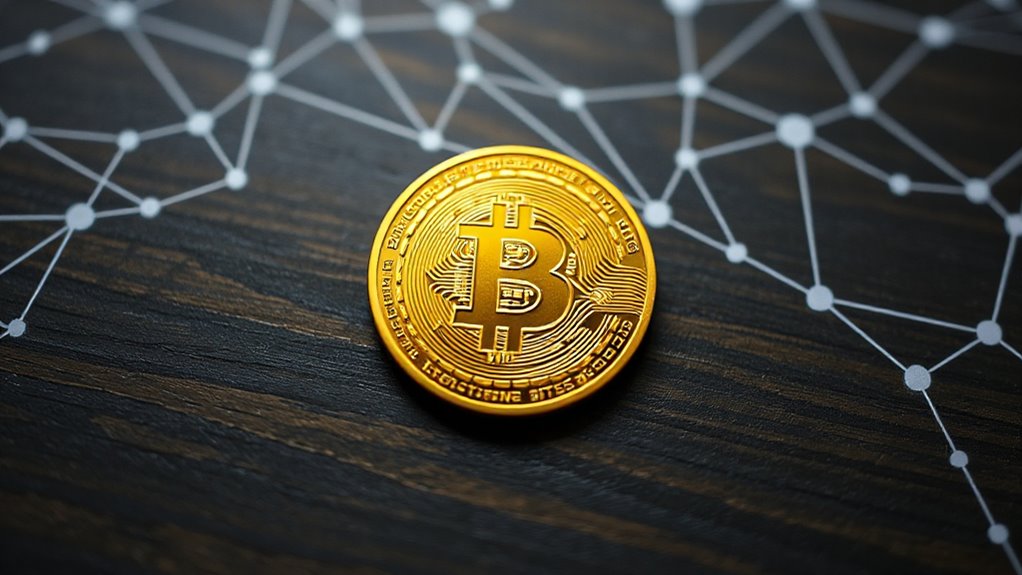
In recent years, Bitcoin has become a popular digital currency that many people use for online transactions. It operates on a technology called blockchain, where all transactions are recorded. Bitcoin is unique because its value can change based on supply and demand. People known as miners help to validate these transactions and create new blocks in the blockchain. Ownership of Bitcoin is secured through private keys, which are fundamental for accessing the digital currency. The BTC blockchain is composed of blocks and network nodes (miners) that validate transactions and mine new bitcoins. Additionally, the use of hardware wallets provides a secure method for storing private keys offline, enhancing the overall security of Bitcoin ownership.
Bitcoin has emerged as a leading digital currency, driven by blockchain technology and secured through private keys.
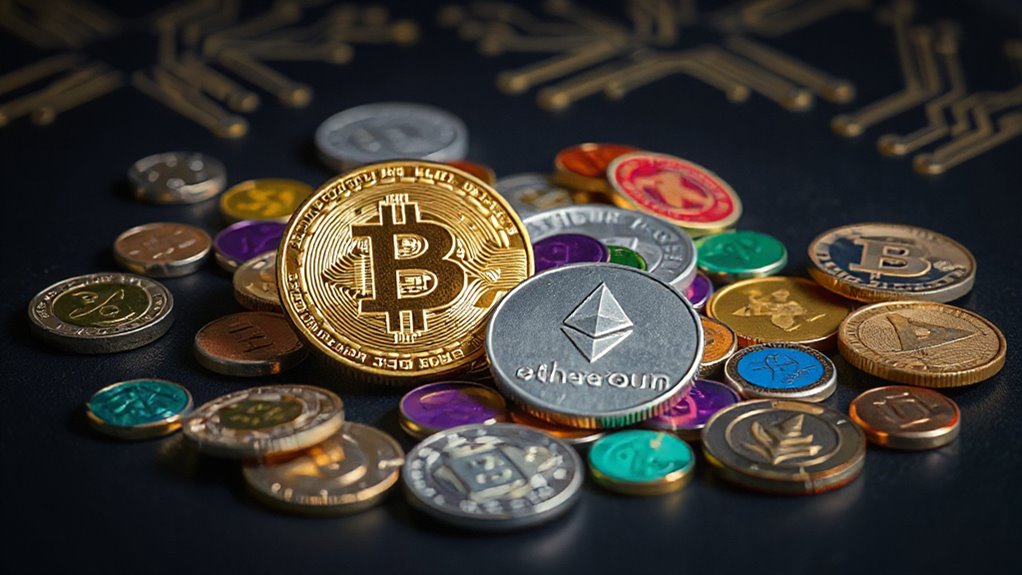
In 2011, Mike Caldwell introduced physical Bitcoins as a way to engage users more with Bitcoin. These coins were designed to make the digital currency more tangible. Initially, they were successful, with various denominations sold, including the well-known Casascius coins. Each physical coin contained private keys, allowing access to the digital Bitcoin associated with it. However, the production of these coins faced legal challenges due to regulations regarding money transmission, which led to a halt in their production in 2013.
Physical Bitcoins carry private keys and often feature QR codes for easy access to digital funds. While the physical coins themselves don’t hold intrinsic value, certain rare editions can fetch high prices among collectors. Authenticity is essential, as counterfeit coins can pose risks. It’s important for buyers to verify that a physical Bitcoin is genuine and compliant with regulations where cryptocurrencies are allowed. Selling digital Bitcoin is often necessary for users looking to acquire physical Bitcoins, as there isn’t a direct conversion method available.
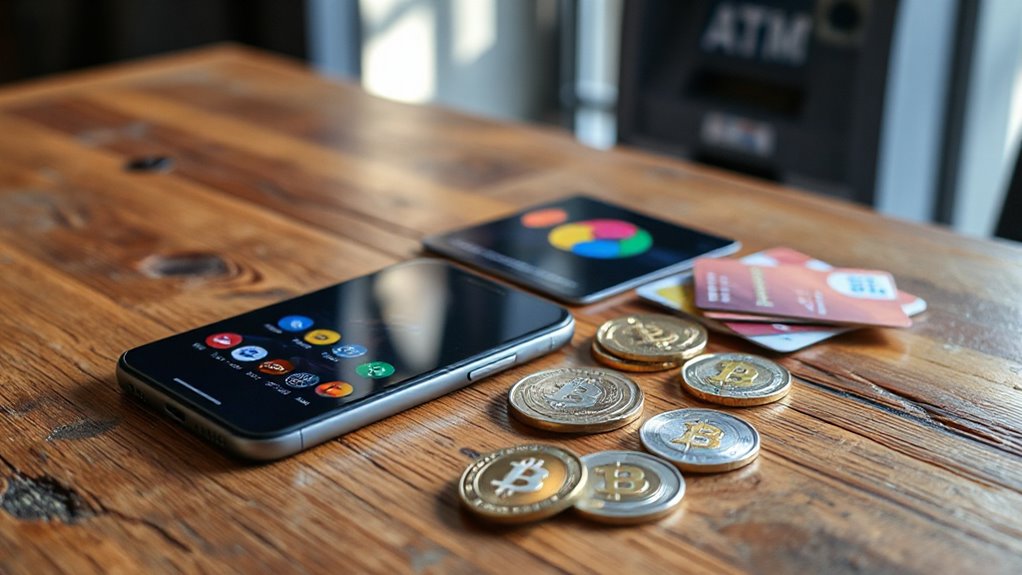
Today, modern versions of physical Bitcoins include secure physical cards, like those offered by Ballet, which provide durable cold storage solutions. They offer additional value beyond the digital asset.
However, there isn’t a direct way to convert Bitcoin into physical Bitcoins; instead, users must purchase physical coins from specialized vendors. This involves selling digital Bitcoin to buy these tangible forms. Prices can vary due to market dynamics, so securing both physical and digital assets is imperative for users.
Frequently Asked Questions
How Much Does It Cost to Convert Bitcoin to Physical Bitcoins?
The cost to convert Bitcoin into physical Bitcoins can vary. It depends on materials like gold or silver, and the production process.
Creating these coins involves manufacturing costs and may include added value from collectibility. Older or rare coins can be more expensive.
Additionally, the value of Bitcoin itself can impact the overall cost. It’s crucial to take these factors into account when looking into creating or purchasing physical representations of Bitcoin.
Are Physical Bitcoins Considered Legal Tender?
Physical Bitcoins are not considered legal tender in the United States.
Legal tender refers to money that must be accepted if offered in payment of a debt, and only U.S. coins and currency meet this definition.
Globally, views on Bitcoin as legal tender differ. While some countries, like El Salvador, have embraced it, many others remain cautious, citing concerns about its value and stability.
This makes physical Bitcoins more of a collectible than a currency.
Can I Spend Physical Bitcoins in Stores?
Physical bitcoins can’t be spent directly in most stores. To use their value, owners must redeem these tokens online.
While some online retailers accept digital bitcoin payments, physical tokens usually require conversion first. Gift cards bought with digital bitcoin offer another way to shop at stores that accept them.
Many collectors value physical bitcoins more for their rarity than for their spending ability, making them sought after items in the cryptocurrency community.
What Materials Are Used to Create Physical Bitcoins?
Physical bitcoins are made from various materials. Common choices include metals like copper, silver, gold, and aluminum.
Some are crafted from cost-effective plastic, while others use durable titanium. Hybrid materials combine different substances for better strength or appearance.
Many physical bitcoins are created through 3D printing, allowing for unique designs. Other methods include molding, crafting by hand, stamping, and laser engraving, each contributing to the coin’s individual look and feel.
How Do I Securely Store Physical Bitcoins?
Storing physical bitcoins securely is important for their protection. Owners should keep these coins in a safe place to avoid theft or loss.
It’s essential to maintain the confidentiality of the private key, which is critical for accessing the digital wallet. Using protective cases can prevent physical damage.
Additionally, owners should verify authenticity with holograms to guarantee the coins haven’t been tampered with. Proper storage helps preserve both value and security.