

A cryptocurrency wallet is a tool for storing and managing digital currencies like Bitcoin and Ethereum. It comes in two main types: hot and cold wallets. Hot wallets are connected to the internet and are used for quick transactions but carry higher security risks. Cold wallets are offline devices that offer better protection for long-term storage. Users should choose the type that fits their needs, and there’s more to discover about how these wallets function.
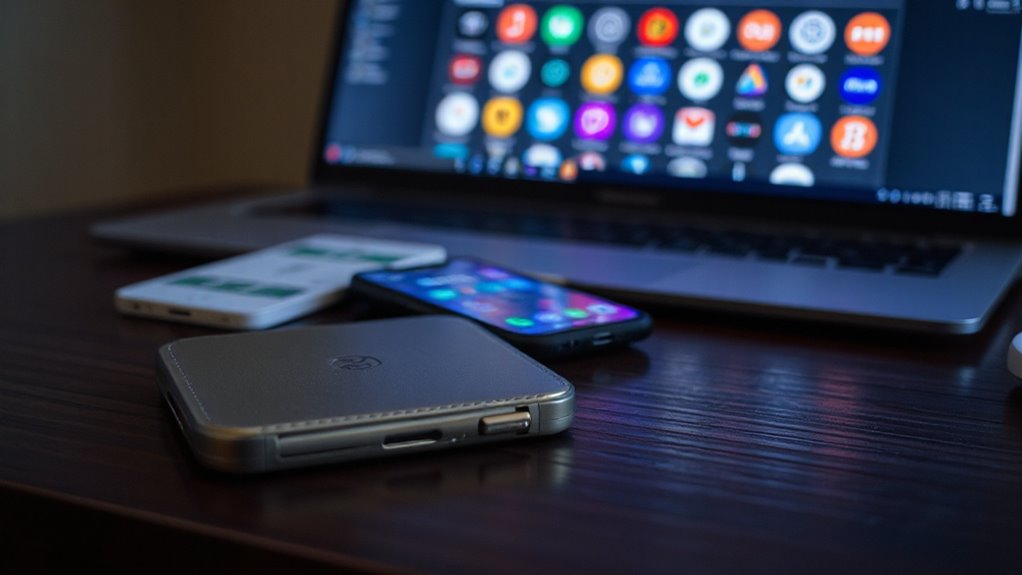
As the world increasingly embraces digital currencies, understanding cryptocurrency wallets becomes crucial. Cryptocurrency wallets are software programs or hardware devices that store and manage the keys needed to access digital currencies. They allow users to send, receive, and store cryptocurrencies like Bitcoin and Ethereum. Unlike traditional banks, these wallets give users complete control over their digital assets. They can even interact with decentralized applications and store non-fungible tokens, or NFTs.
Understanding cryptocurrency wallets is essential for managing digital currencies and maintaining control over your assets.
There are different types of cryptocurrency wallets. Software wallets include desktop, mobile, and web-based options. They are convenient for everyday transactions. Hardware wallets, like those from Ledger and Trezor, are physical devices designed to keep keys safe offline. Paper wallets are another way to store keys, using printed or handwritten records. Hosted wallets, often provided by exchanges, store users’ keys for them, making access easier but reducing control.
Wallets are generally classified as custodial or noncustodial. Custodial wallets are managed by third-party services, like cryptocurrency exchanges, which control the private keys. This makes access easier but means users have less control over their assets. Noncustodial wallets allow users to manage their keys, giving them full control. However, if users lose access to a noncustodial wallet, they may lose their assets forever.
Hot wallets are connected to the internet. They are popular for frequent transactions because they are easy to use, but they carry a higher risk of hacking. Examples of hot wallets include Coinbase Wallet and Trust Wallet. Cold wallets, on the other hand, are offline devices that offer better security against cyber threats. They are perfect for long-term storage of cryptocurrency assets, as cold wallets do not connect to the internet. Additionally, using both wallet types is advisable for optimal security and access, as both types store cryptocurrency and token private keys.
Security is essential in cryptocurrency wallets. Users must protect their private keys to prevent unauthorized access. Many wallets use encryption and two-factor authentication to enhance security.
Frequently Asked Questions
Can I Use Multiple Wallets for One Cryptocurrency?
Using multiple wallets for one cryptocurrency is possible and can be beneficial. It allows users to spread their assets across different storage methods. This strategy can reduce risks if one wallet gets compromised.
Wallets can vary in type, including software and hardware options. Each wallet might offer unique features and security measures.
However, managing multiple wallets requires careful attention to private key security and compatibility with different cryptocurrencies.
How Do I Backup My Cryptocurrency Wallet?
Backing up a cryptocurrency wallet is important for security. People can use several methods.
One way is to write down recovery phrases on paper. Another option is using hardware devices like USB drives. Some choose to store backups in safe deposit boxes or fireproof safes for extra protection.
It’s also wise to encrypt backups and use strong passwords. Regularly updating these backups guarantees they remain current and secure against loss or damage.
Are Cryptocurrency Wallets Safe From Hacking?
Cryptocurrency wallets aren’t completely safe from hacking.
Hot wallets, which are online, face higher risks due to their constant internet connection. Hackers often use methods like phishing to steal access.
Cold wallets offer better security since they’re offline, but they’re not immune to physical threats.
Users can take steps to protect their wallets, but vulnerabilities still exist. Regular updates and strong security practices are essential to reduce the chances of hacking incidents.
Can I Recover My Wallet if I Lose My Device?
If someone loses their cryptocurrency wallet device, recovery depends on the type of wallet used.
For hot wallets, access can usually be restored on another device with the correct seed phrase.
However, for cold wallets, the person needs to use a compatible device or software for recovery.
If the seed phrase is lost, it may result in permanent loss of access to funds, making backups very important.
What Fees Are Associated With Using a Cryptocurrency Wallet?
When using a cryptocurrency wallet, there are several fees to take into account.
Network fees are paid to miners for processing transactions and can change based on demand. Some wallets might charge additional fees, especially custodial ones, which manage funds for users.
Also, exchanges may impose trading fees when buying or selling cryptocurrencies.
It’s important to check for fees that could affect the total cost of using a wallet or trading on platforms.