

Crypto wallets are essential for managing digital currencies. They come in various types, including hardware, software, paper, web, and mobile wallets. Hardware wallets store keys offline for security. Software wallets are easier to access on devices. Paper wallets keep keys printed but can be lost easily. Web wallets provide convenience but are less secure. Mobile wallets are perfect for transactions on the go. Understanding these types helps users make informed decisions about their digital assets and security.
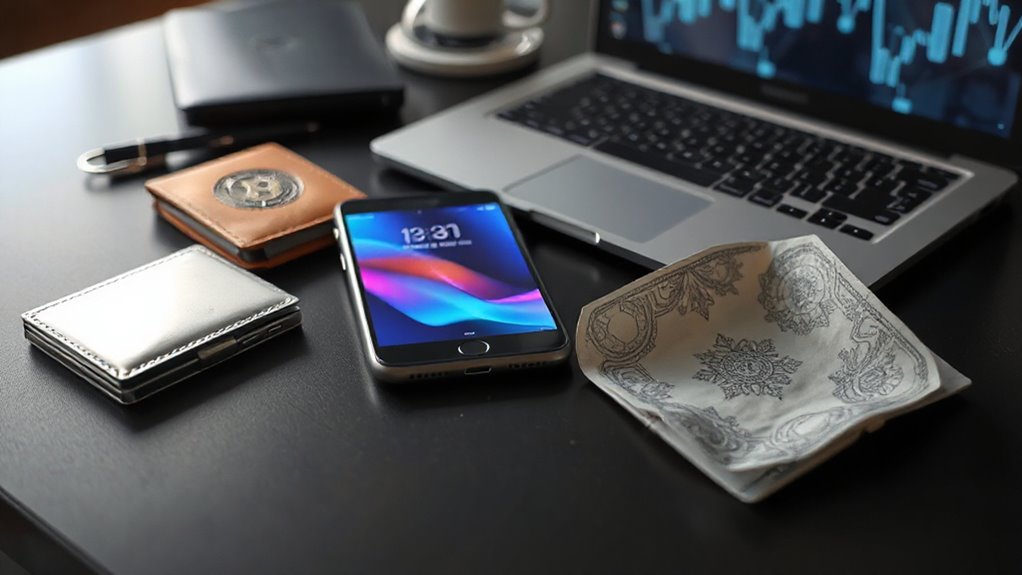
Crypto wallets play an essential role in the world of digital currencies. They are not just containers for cryptocurrencies. Instead, they are tools that interact with blockchain networks. These wallets manage key pairs, allowing users to send, receive, and manage their cryptocurrencies securely. Accessing the blockchain and maintaining control over digital assets relies heavily on these wallets. There are various types of crypto wallets, each with unique advantages and disadvantages.
Crypto wallets are essential tools for securely managing and interacting with digital currencies and blockchain networks.
One type is hardware wallets. These are physical devices that store private keys offline. They offer high security and protection against hacking, making them ideal for long-term storage. Hardware wallets provide superior security compared to online solutions, making them a preferred option for serious investors.
Software wallets, on the other hand, are installed on devices like desktops and mobiles. They make accessing cryptocurrencies easy but are more vulnerable to online threats.
Paper wallets provide offline storage in the form of printed keys. While highly secure, they are low-tech and can be easily lost or damaged.
Web wallets are accessible through browsers, making them convenient, yet they are less secure due to reliance on third parties.
Finally, mobile wallets are designed for smartphones, offering convenience for transactions on the go.
Crypto wallets can also be categorized into hot and cold wallets. Hot wallets are connected to the internet, making them convenient for frequent transactions but more vulnerable to cyberattacks.
Cold wallets, such as hardware and paper wallets, are offline, providing higher security suitable for long-term storage.
Additionally, there are custodial and non-custodial wallets. Custodial wallets allow third-party control over private keys. While convenient, they are less secure.
Non-custodial wallets let users retain control over their private keys, offering more security and privacy. Understanding the importance of cold wallets is crucial for users looking to enhance their security measures.
Users need to weigh their options based on security, convenience, and control when choosing a wallet. Understanding the different types of crypto wallets helps users navigate the digital currency landscape more effectively.
Frequently Asked Questions
Are Crypto Wallets Insured Against Theft or Loss?
Crypto wallets aren’t broadly insured against theft or loss. Some companies, like Boost Insurance, offer specific policies for individual wallets.
However, most homeowners’ insurance doesn’t cover cryptocurrency theft. This leaves many users without protection.
While exchanges may have their own insurance, it often doesn’t extend to individual assets. Users need to be aware of the limitations and exclusions in these policies, as coverage can vary widely and may not include market losses.
Can I Use Multiple Wallets Simultaneously?
Many people do use multiple wallets at the same time. This approach helps them keep their cryptocurrency safe.
By spreading assets across different wallets, they lower the risk of losing everything if one wallet gets hacked. It also allows for better organization.
Some wallets are designed for specific purposes, like trading or saving. Using several wallets can help users manage their digital assets more effectively and maintain better control over their investments.
How Do I Recover a Lost Wallet?
Recovering a lost wallet can be tricky. Users often rely on their seed phrases, which act like a master key to access funds. They can enter this phrase into a compatible wallet for recovery.
If the private key is available, it can be imported into specific wallets. Data recovery tools may help retrieve lost wallet files.
For complex cases, professional recovery services are an option, but results can vary and costs may be high.
Are Hardware Wallets Worth the Investment?
Many people wonder if hardware wallets are worth the investment.
These wallets are often more expensive than software wallets, costing from $59 to over $400. They offer strong security for storing cryptocurrencies offline, protecting users from online attacks.
While they may not be convenient for daily trading, they’re great for long-term storage. Their backup features also help users recover funds if the device is lost or damaged, making them a secure option for serious investors.
What Happens if I Forget My Wallet Password?
Forgetting a crypto wallet password can lead to significant issues. Many people lose access to their funds, which can be millions of dollars.
Since there’s no central authority for recovery, users face challenges in regaining access. High security measures make cracking passwords difficult.
Some may attempt recovery through specialized tools or professional help, but success isn’t guaranteed. Users are encouraged to keep recovery phrases safe to avoid these situations in the first place.