Bitcoins are made of digital code and exist only in the virtual world. They are not physical coins or notes. Each Bitcoin is a unique string of code. This decentralized currency operates through a network of computers connected to the internet. Transactions are recorded on a secure public ledger known as the blockchain. The way Bitcoins are created and how transactions are secured can reveal more about this fascinating digital currency and its underlying technology.
Bitcoin, often called digital gold, is a type of currency that exists only in the digital world. It is a decentralized currency, meaning it doesn’t rely on a central authority or government. Instead, it operates through a network of computers connected to the internet. This allows anyone with an internet connection to participate in the Bitcoin network.
Bitcoins are not physical like coins or notes. They exist as unique strings of digital code. Each Bitcoin represents a specific amount of value, but there’s no physical component involved. A single Bitcoin can be divided into smaller units known as satoshis, which allows for transactions of various sizes. The total supply of Bitcoin is capped at 21 million, making it a limited resource. In addition, the total supply of Bitcoin creates scarcity, contributing to its value in the market. Bitcoin mining is essential for maintaining the security and integrity of the Bitcoin network, as miners validate transactions and add them to the blockchain. Furthermore, the programmed reduction in mining rewards during Bitcoin halving events is designed to ensure that new Bitcoins are generated at a diminishing rate.
The backbone of Bitcoin is its blockchain technology. The blockchain acts as a public ledger, recording all transactions in a secure and transparent way. It is a distributed database shared across multiple computers. Each transaction is encrypted using a powerful algorithm called SHA-256. This guarantees that information stays secure.
Each block in the chain contains details from previous blocks, creating a secure link between them. To add new transactions to the blockchain, a process called mining is used. Miners validate and group these transactions into blocks. They must solve complex math problems through a method known as proof of work.
Successful miners are rewarded with newly minted Bitcoins. This process requires a lot of energy and computational power, often taking place in regions with low electricity costs.
Frequently Asked Questions
How Do I Buy Bitcoins Safely?
Buying Bitcoin safely involves several key steps.
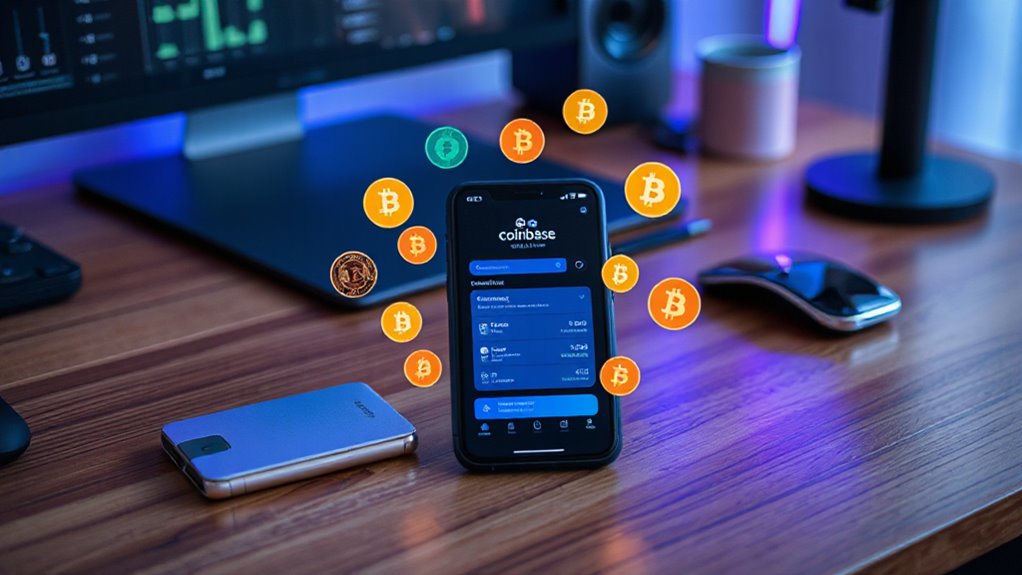
First, users should choose a secure platform, either a centralized exchange like Coinbase or a decentralized exchange like Uniswap.
Next, they should select a payment method, such as bank transfers or credit cards, while being aware of any fees.
After purchasing, it’s important to store Bitcoin in a secure wallet, like a cold wallet, and enable two-factor authentication for added security against unauthorized access.
What Is the Current Value of Bitcoin?
As of now, Bitcoin’s value is around $82,450. The price can change quickly due to market conditions.
Recently, Bitcoin has seen ups and downs but remains about 18.68% higher than it was a year ago. Predictions for the future vary, with some experts suggesting it could reach between $90,000 and $118,000 by March 2025.
Currently, the market shows signs of fear, which could influence buying opportunities.
Can I Use Bitcoins for Everyday Purchases?
Many stores now accept Bitcoin for everyday purchases. Companies like Microsoft and Expedia allow customers to pay with it.
Transaction processes have become easier with QR codes and wallet apps. However, Bitcoin is slower than some other cryptocurrencies, making it less popular for quick buys.
Prices can change a lot, which might make people think twice about using it for daily spending. Legal rules also influence how widely it’s accepted around the world.
What Are the Risks of Investing in Bitcoins?
Investing in bitcoins comes with several risks. Market prices can change quickly, leading to potential losses.
There’s also uncertainty about future regulations that could affect bitcoin’s value. Security is a concern, as hackers target exchanges and wallets.
Additionally, users can lose access to their coins due to errors or hardware failures.
Finally, the technology can be complicated for beginners, making mistakes more likely. These factors make investing in bitcoins risky.
How Is Bitcoin Mined and Who Can Mine It?
Bitcoin is mined by collecting transactions and solving complex puzzles using powerful computers. This process adds new blocks to the blockchain.
Anyone with the right hardware and software can mine, but many choose to join mining pools for better chances of earning rewards. Miners receive new bitcoins and transaction fees for their work.
However, large operations dominate the mining scene, raising concerns about energy use and environmental impact.