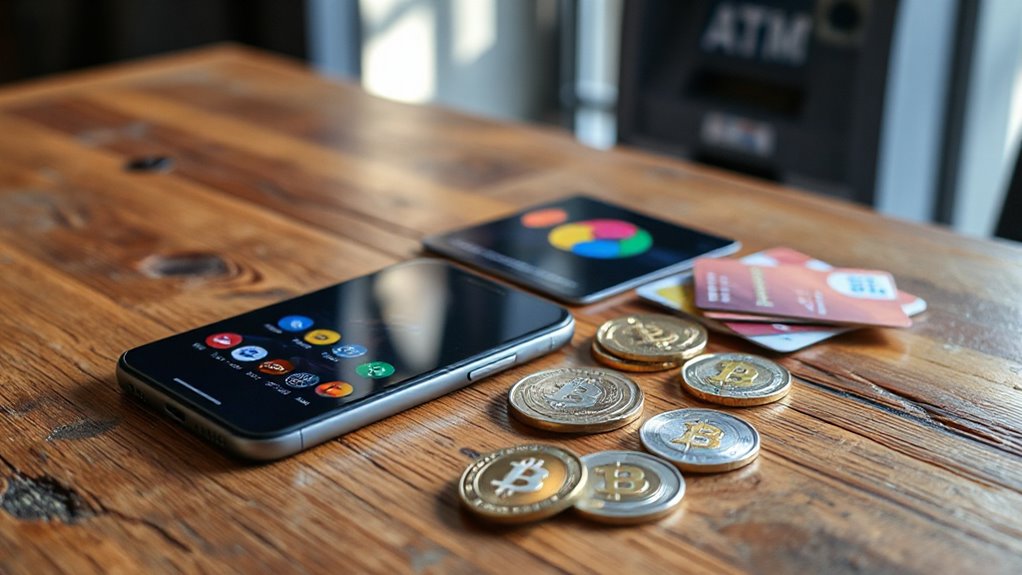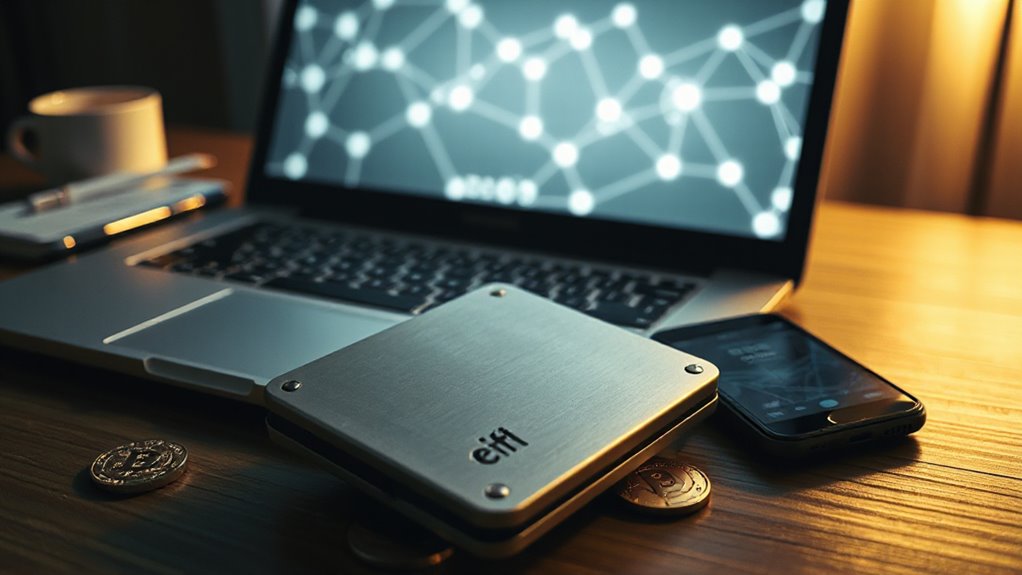

A decentralized wallet is a digital tool for managing cryptocurrency and other digital assets without a central authority. Users have full control over their private keys, which are essential for security. This means they are responsible for safeguarding their own funds. Decentralized wallets come in various forms, including software and hardware options. They enhance privacy and allow direct access to decentralized finance services. There’s much more to discover about how these wallets can serve users’ needs.
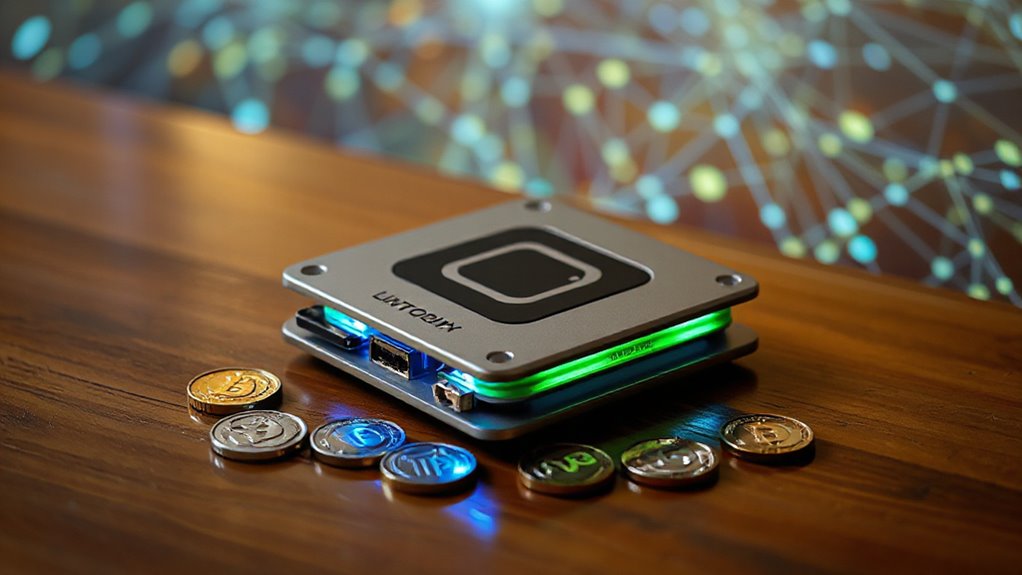
Decentralized wallets are becoming popular tools for managing digital assets. These wallets allow users to control their own private keys without the need for a central authority. This means users have full ownership of their funds and are responsible for their security. Since there’s no middleman, users can send and receive digital assets directly to one another. This peer-to-peer setup enhances privacy and gives individuals greater autonomy over their transactions. Additionally, decentralized wallets are often used in conjunction with decentralized exchanges, providing users with seamless access to trading platforms.
There are different types of decentralized wallets. Software wallets, like MetaMask and Trust Wallet, can be used as mobile apps or web browser extensions. Hardware wallets, such as Ledger Nano S and Trezor, store private keys offline, making them more secure. Desktop wallets run on computers and offer high security, while mobile wallets provide a balance of security and convenience. Some wallets even combine features from both software and hardware for extra protection. The overwhelming options necessitate careful selection of the best wallet to suit individual needs and preferences.
Security is a key feature of decentralized wallets. Users manage their private keys, which reduces reliance on third parties. Many wallets also support multi-signature transactions, requiring more than one approval for added security. Encryption keeps user data safe, and hardware wallets protect keys from online threats. Overall, the decentralized design eliminates single points of failure, making it harder for hackers to compromise users’ assets.
Security is paramount in decentralized wallets, empowering users with control over their private keys and reducing reliance on third parties.
The benefits of using decentralized wallets include enhanced privacy and increased security. Users can transfer assets without intermediaries imposing rules or fees. This financial freedom allows for direct access to decentralized finance (DeFi) services, such as lending and staking. Users can interact with various Web3 applications directly through their wallets. They also manage their own risks since they control their assets.
Frequently Asked Questions
How Do I Choose the Best Decentralized Wallet for My Needs?
When choosing a decentralized wallet, users should consider several factors.
They can look for security features like multi-signature support and private key management. Ease of use is important, so an intuitive interface and cross-platform compatibility are beneficial.
Users might also want to check for multi-currency support and customization options.
Finally, adaptability to market trends and technological updates can enhance the wallet’s long-term usability and relevance in the evolving cryptocurrency landscape.
Are Decentralized Wallets Safe From Hacking Attacks?
Decentralized wallets offer unique security features, but they aren’t completely safe from hacking attacks. Users control their private keys, which helps reduce risks.
However, they still face threats like phishing scams and malware. Smart contract vulnerabilities can arise during transactions.
While offline storage in hardware wallets adds protection, user error can lead to asset loss. Overall, the safety of decentralized wallets relies heavily on user practices and awareness of potential risks.
Can I Recover My Funds if I Lose My Wallet?
Losing a wallet can be a big problem. If someone loses access, they might not recover their funds.
Seed phrases are key for recovery, acting like a master key. Without them, it’s tough to get back in.
Hardware wallets often help with backups, while software wallets may offer other options. However, keeping recovery data safe is essential.
Users must be careful, as losing access can mean permanently losing their funds.
Do Decentralized Wallets Support Multiple Cryptocurrencies?
Decentralized wallets do support multiple cryptocurrencies.
Many of these wallets can manage a variety of digital currencies across different blockchain networks. For example, wallets like Trust Wallet and Exodus allow users to store and trade numerous tokens in one place.
This feature makes it easy for users to handle diverse portfolios without needing separate wallets for each cryptocurrency.
The support for multiple coins is a key advantage of using decentralized wallets.
What Fees Are Associated With Using a Decentralized Wallet?
Fees associated with decentralized wallets can vary. Users often pay transaction fees to network validators for processing.
For Ethereum, gas fees cover the costs of transactions. There may also be withdrawal fees when moving assets to another platform.
During trading, exchange fees can apply. Additionally, some wallets charge deposit fees for storing assets.
Wallet types, like software or hardware, influence these costs, with some charging more than others.